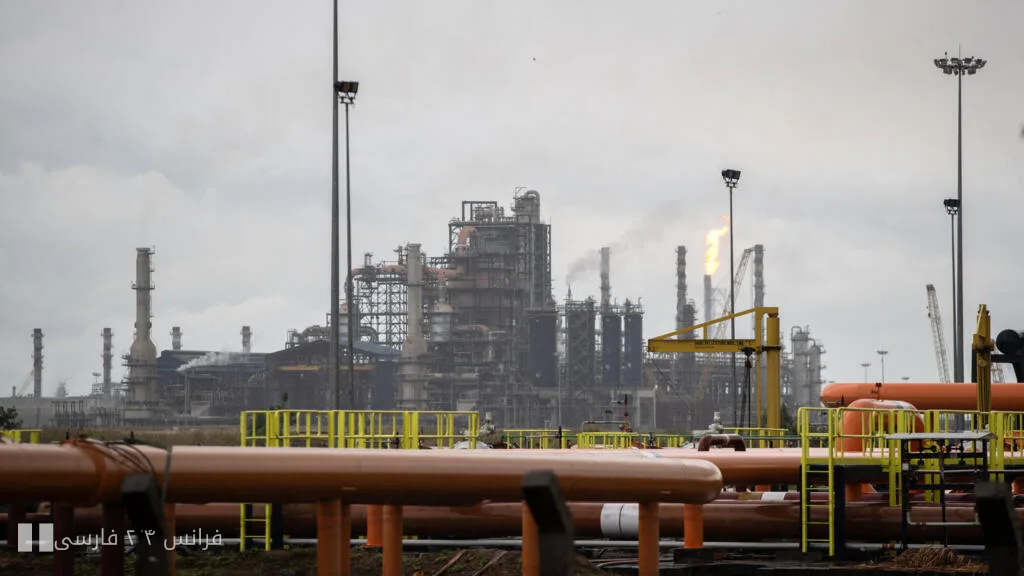
The rising tensions in the Middle East and the United States and Israel's war with Iran have impacted global energy markets, pushing countries towards more polluting energy sources like coal. According to forecasts, global coal demand will increase by 1.2% in 2023, reaching a record 8.94 billion tons.
Impact of War on Energy Markets
The war in the Middle East and concerns about disruptions in the Strait of Hormuz, one of the world's main oil and gas transportation routes, have forced many countries to reconsider their energy strategies. Coal, as a high-polluting energy source, has been proposed as an option to meet immediate energy needs. This comes at a time when many countries are trying to reduce their dependence on fossil fuels and lower greenhouse gas emissions.
Read more: Tea lovers in Kenya in crisis: The lions are drying up!
Changes in Energy Policies
With the increase in demand for coal, various countries have revisited their energy policies. Some countries, especially in Asia, have turned to coal due to the urgent need for energy supply. This policy shift could have long-term impacts on the environment and public health. Experts believe this trend could lead to increased air pollution and climate change.
Given that coal is one of the dirtiest energy sources, attention to the consequences of these changes for the future of global energy is essential. While some countries are seeking more sustainable solutions, others are compelled to use coal due to lack of access to renewable energy sources and the urgent need for energy supply.
Read more: Nicker: The Kafra oil block could have 2.5 billion barrels of oil · Iranian cargo ship targeted near Qeshm Island