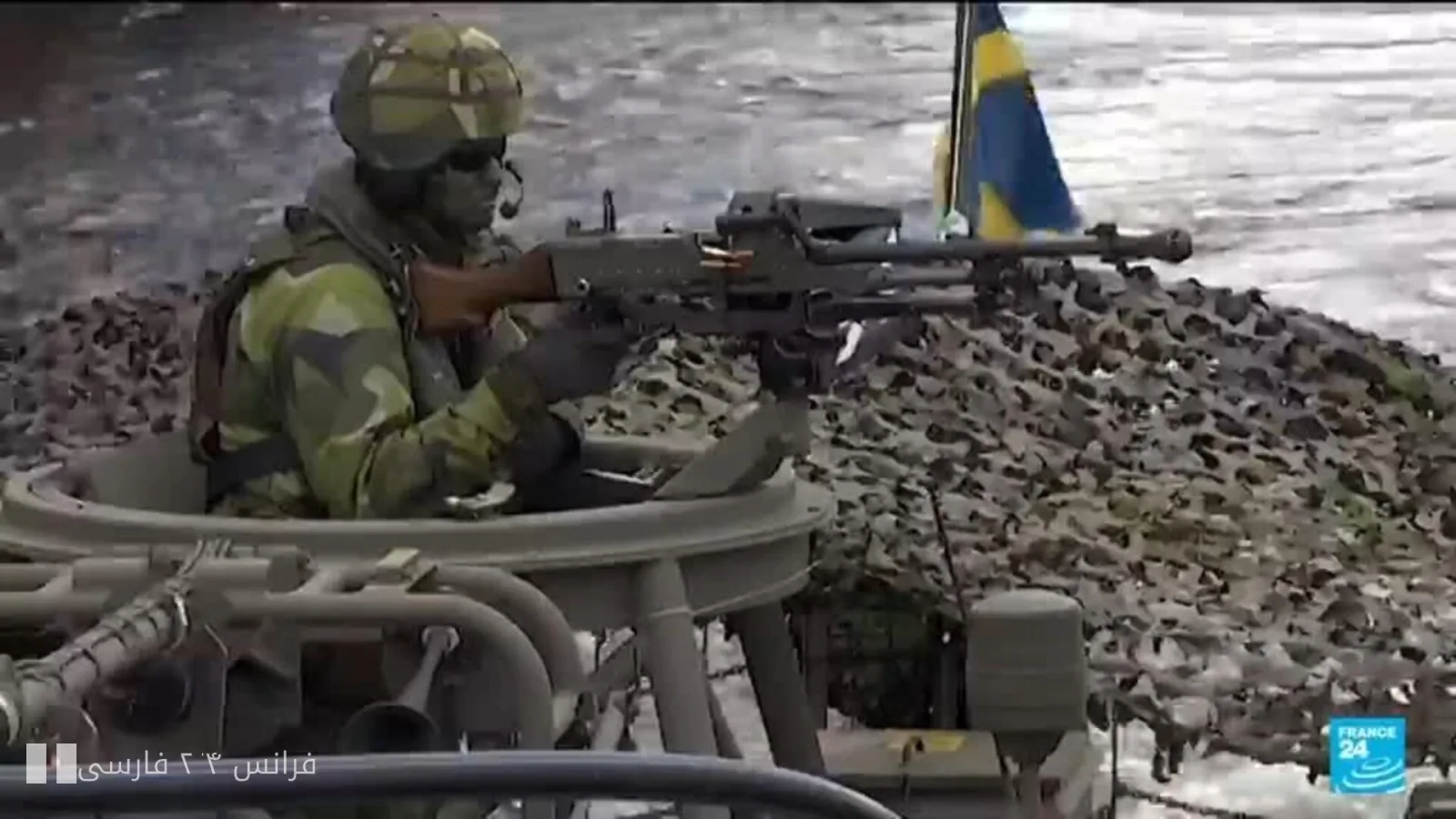
Sweden, as one of the leading countries in the field of social welfare, is facing serious challenges due to rising defense costs. While the government is looking to strengthen its military in response to global threats, maintaining the welfare system remains a fundamental priority.
Increased Defense Spending and Its Impact on Social Welfare
In light of recent developments on the global stage, Sweden has decided to increase its defense spending. This increase has particularly followed the war in Ukraine and concerns regarding security at Europe's northern borders. Sweden's military expenditures have significantly risen in recent years, raising questions about its impact on the welfare system.
Read more: Unprecedented Google Investment in Finland: 13 Billion Euros for the Digital Future
The Swedish government, led by Prime Minister Ulf Kristersson, has announced its intention to raise military spending to 2% of GDP. This goal has been set to comply with NATO requirements and enhance national security. However, this may lead to a reduction in financial resources for social and welfare programs.
Financial and Social Challenges
Economic analysts believe that increased defense spending could exacerbate social inequalities. While Sweden is recognized as a welfare state, it must make difficult decisions regarding the allocation of financial resources. For instance, should it reduce spending on health and education to fund military expenses?
The Swedish welfare system, which includes health services, education, and social support, heavily relies on high taxes. Any changes in the tax structure or reductions in social budgets could lead to a decline in the quality of welfare services and public dissatisfaction. This is particularly concerning as Sweden is seen as a model in social security and welfare, and any changes to this system could have widespread social and economic repercussions.
In this context, the Swedish government is seeking to find a balance between ensuring national security and maintaining the welfare system. Experts predict that this challenge may lead to a broad public debate in Sweden, where citizens will need to make decisions about their priorities.
Ultimately, the future of Sweden's welfare system and the country's ability to rebuild it amidst rising defense costs will depend on the political and economic decisions made in the near future. Sweden must carefully assess how it can respond to the social needs of its citizens while ensuring national security as a welfare state.
Read more: The Risk of Crazy Cracks: Henny Biggs and Her House Story in England · The Ruthless Attack of Russian Drones on Ukraine's Security Service Headquarters