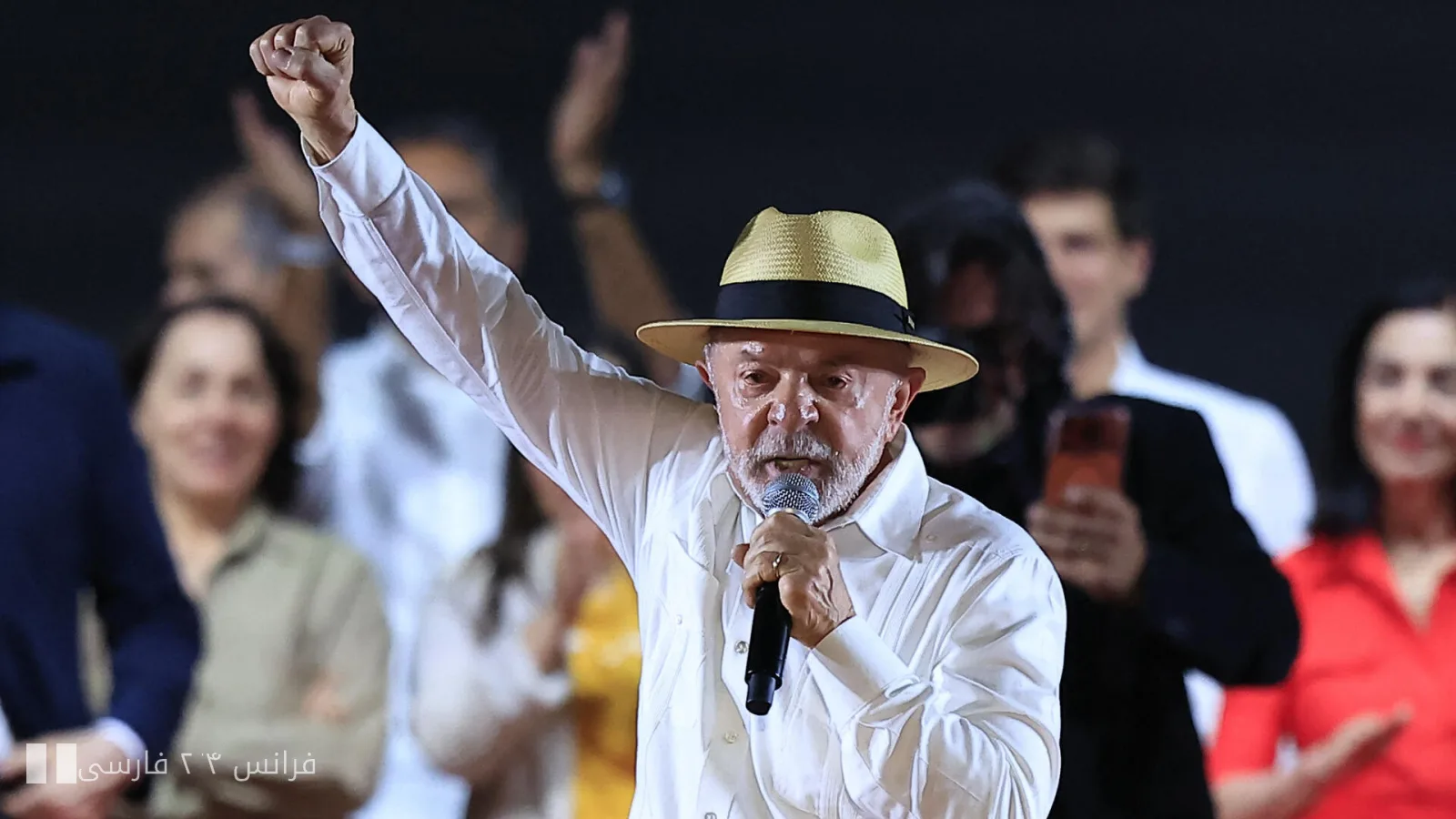
Lula da Silva, the President of Brazil, has announced in a statement that he will directly face Donald Trump, the President of the United States, at the upcoming UN General Assembly in New York. This action comes as tensions between Washington and Brasília have significantly increased, with Lula accusing Trump of interfering in Brazil's elections.
Escalating Tensions
These tensions began after the U.S. government imposed new tariffs on Brazilian goods while simultaneously supporting Flávio Bolsonaro, Lula's political rival and the son of the former President of Brazil. Lula has clearly stated that these activities are indirectly related to attempts to influence the election results in Brazil.
Read more: The Trump administration has planned a $2.8 billion arms package for Israel
Lula da Silva, recognized as a key figure in Brazilian politics, has consistently emphasized the need to respect national sovereignty and prevent foreign interventions. In this regard, he has called on the international community to respect democratic principles and not allow major powers, especially the United States, to interfere in the domestic policies of other countries.
Political Consequences
These tensions are expected to have profound effects on bilateral relations between Brazil and the United States. Lula, as a leftist leader, has a different approach to the economic and foreign policies of previous Brazilian governments and seeks to strengthen relations with other countries, especially in Latin America.
This action may also lead to increased discontent within Brazil, where some citizens have expressed dissatisfaction with Lula's economic and social policies. Therefore, confronting Trump may result in the practical application of Brazil's domestic policies and changes in the country's diplomatic approaches.
Read more: A Russian drone attack on a passenger bus in Ukraine left 5 dead · The moderate opposition party in Sweden leads in forming the future government