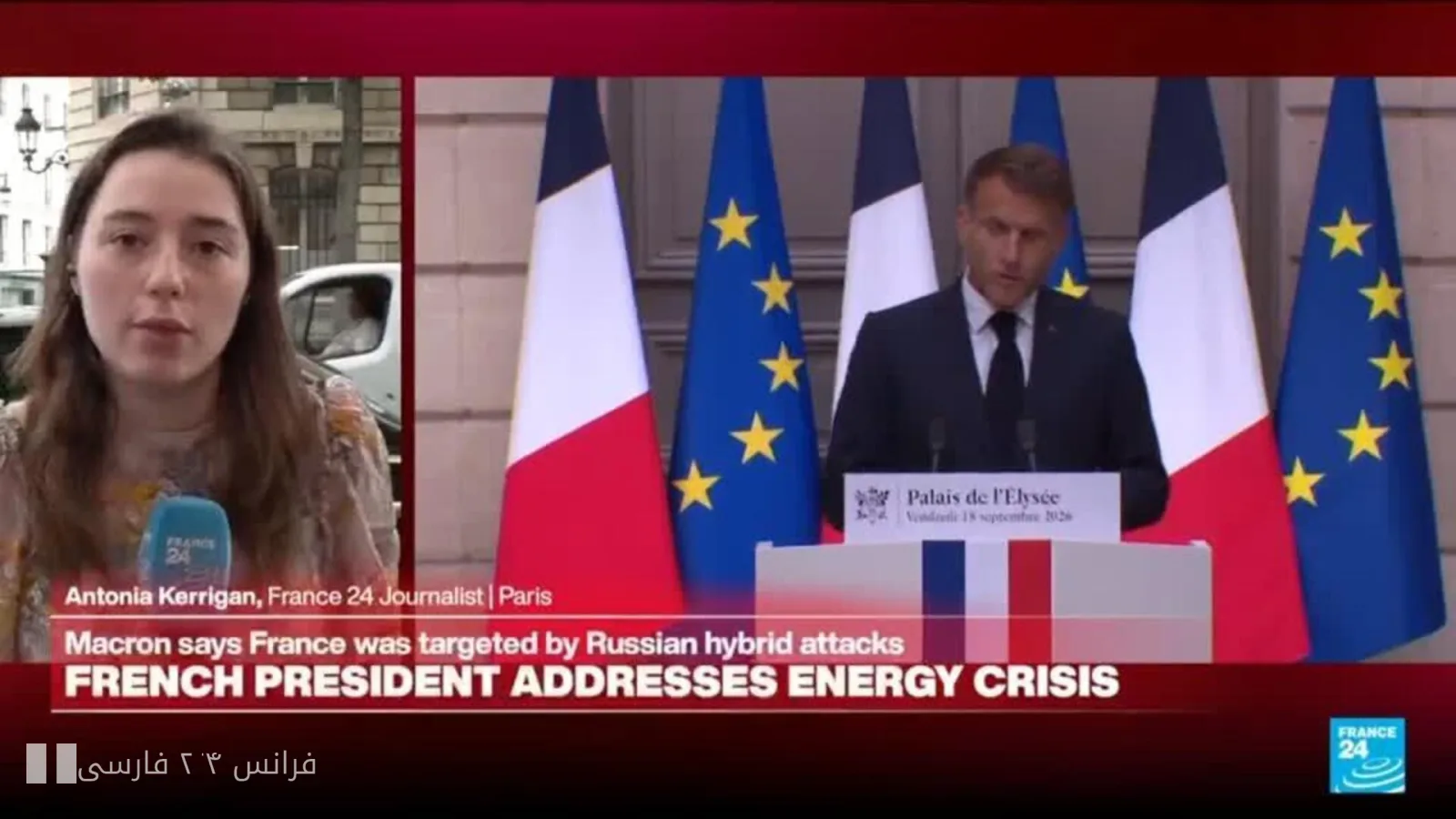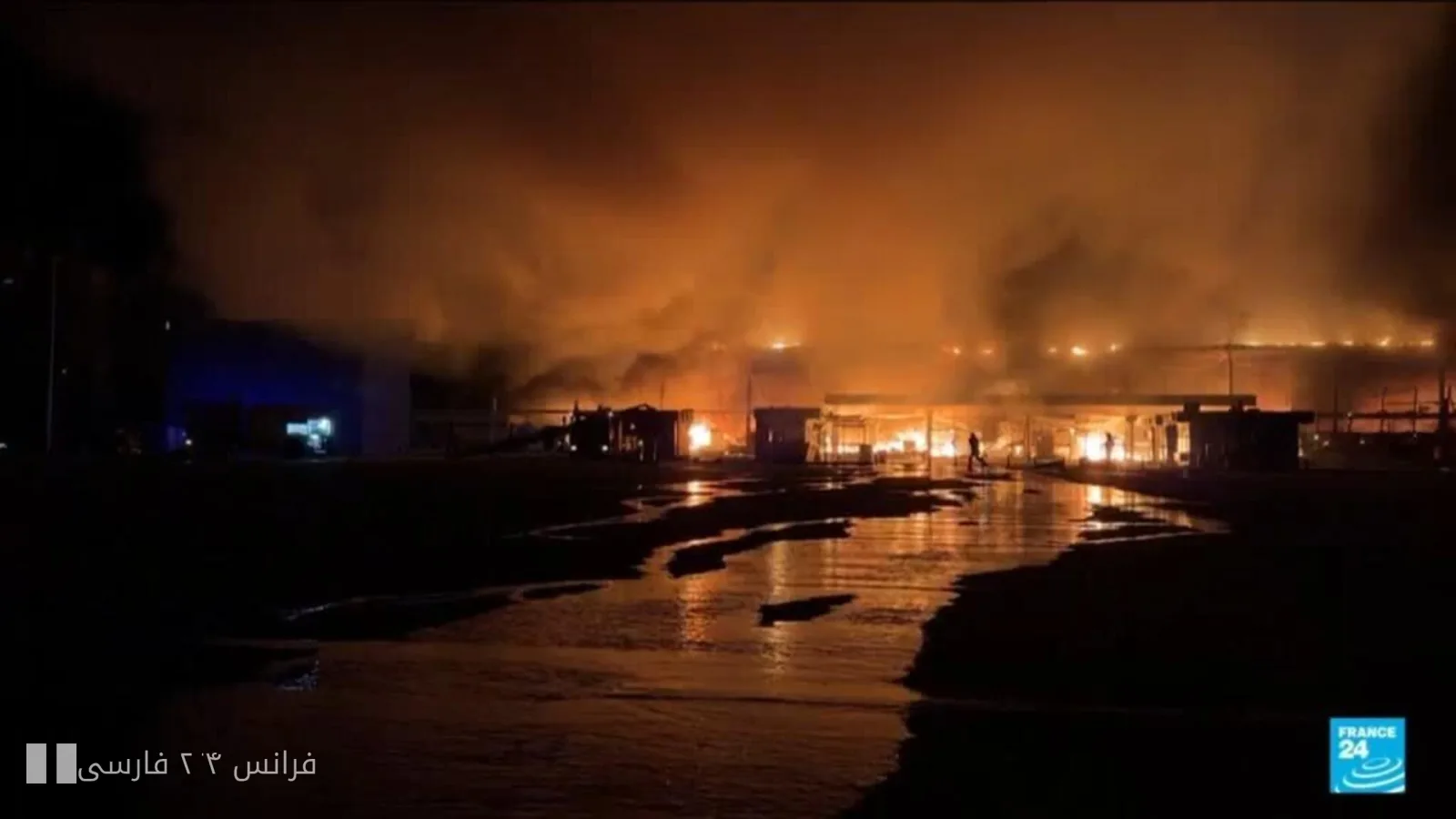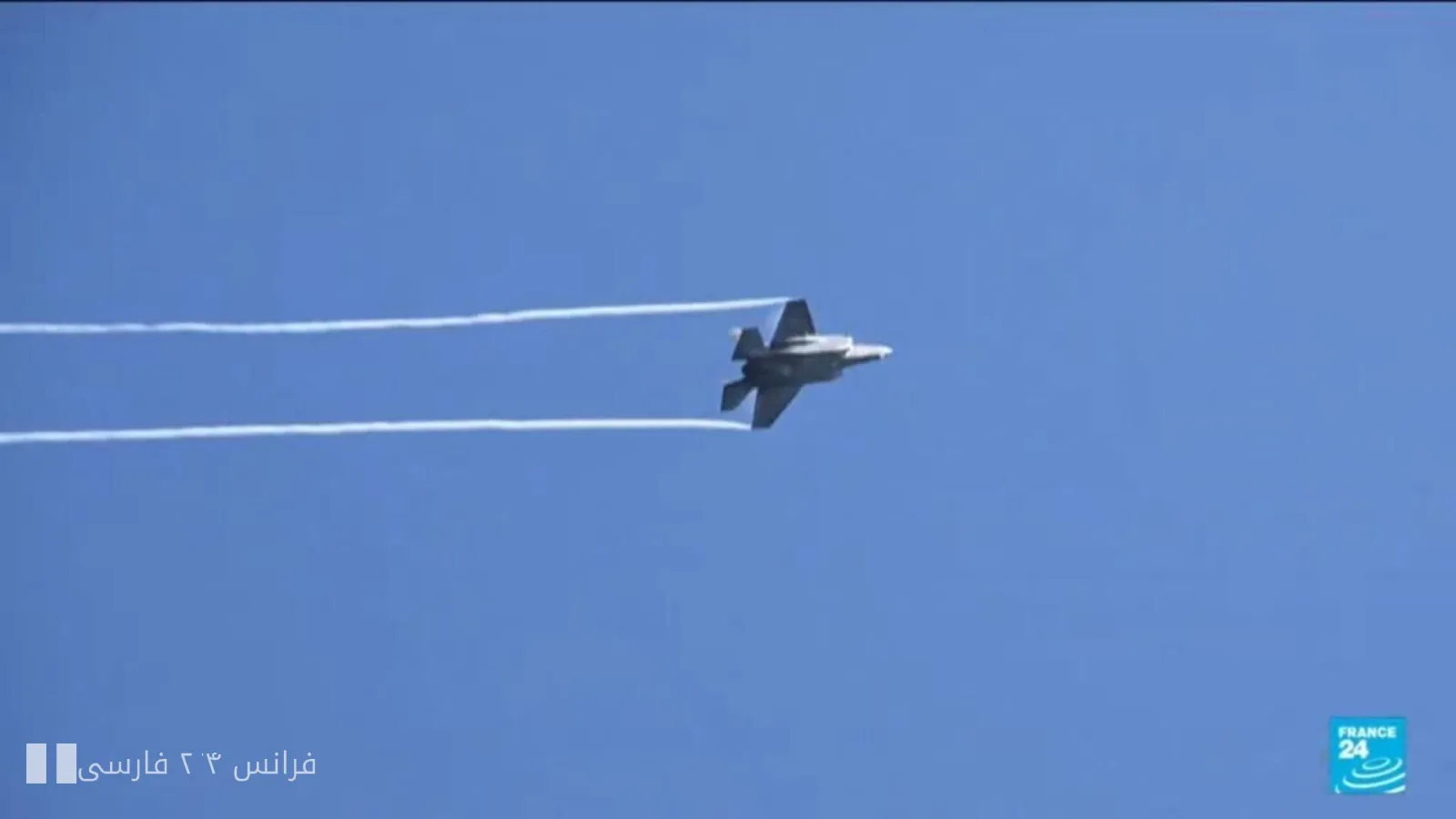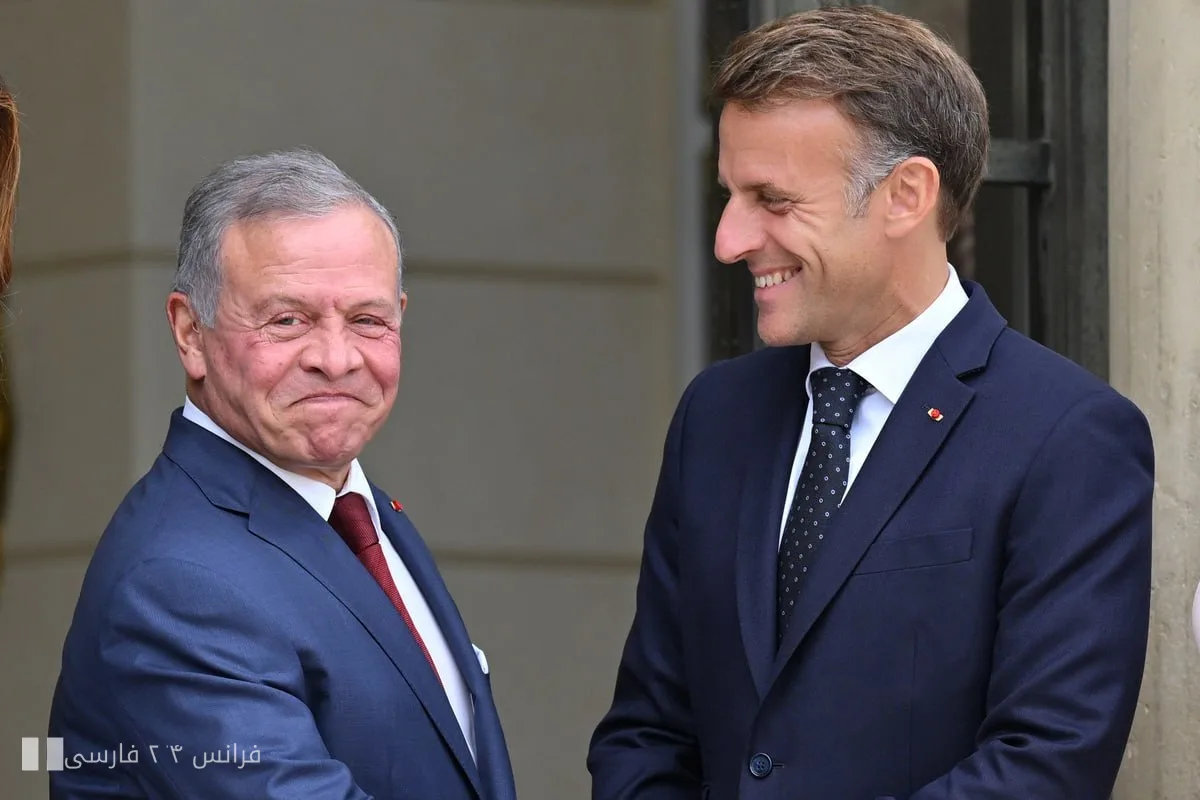
Emmanuel Macron, the President of France, officially acknowledged that the Strait of Hormuz remains closed, creating a critical situation in the global energy sector. This admission comes as American officials had previously warned about the energy crisis and its impacts on the global economy.
Consequences of the Closure of the Strait of Hormuz
The Strait of Hormuz is considered one of the most important waterways for the transportation of oil and natural gas, and its closure could have serious consequences for global energy markets. Macron further emphasized that oil-producing countries need to collaborate more to manage this energy crisis. The closure of this strait could lead to rising oil and gas prices, consequently putting more pressure on global economies.
Read more: Mama Mandiaye Nyan: Sanctions Will Not Prevent Us from Fulfilling Our Duty
Analysis of the Current Situation
French officials and other analysts believe that the closure of the Strait of Hormuz not only affects energy prices but could also escalate tensions in the Persian Gulf region. As many countries strive to reduce their dependence on fossil fuels, this situation could challenge global efforts to transition to renewable energy. Macron also highlighted the necessity of international diplomacy to resolve this crisis and called for dialogue among regional countries and major oil producers.
Ultimately, Macron pointed out that the current energy crisis is not solely related to the closure of the Strait of Hormuz, but factors such as wars, sanctions, and climate change also play a significant role in exacerbating this situation. He urged the international community to collaborate in finding sustainable and long-term solutions to address the energy crisis.
Read more: Russia and Ukraine Engaged in Attacks Ahead of Parliamentary Elections · New French Ambassador to the United States Appointed After Diplomatic Tensions