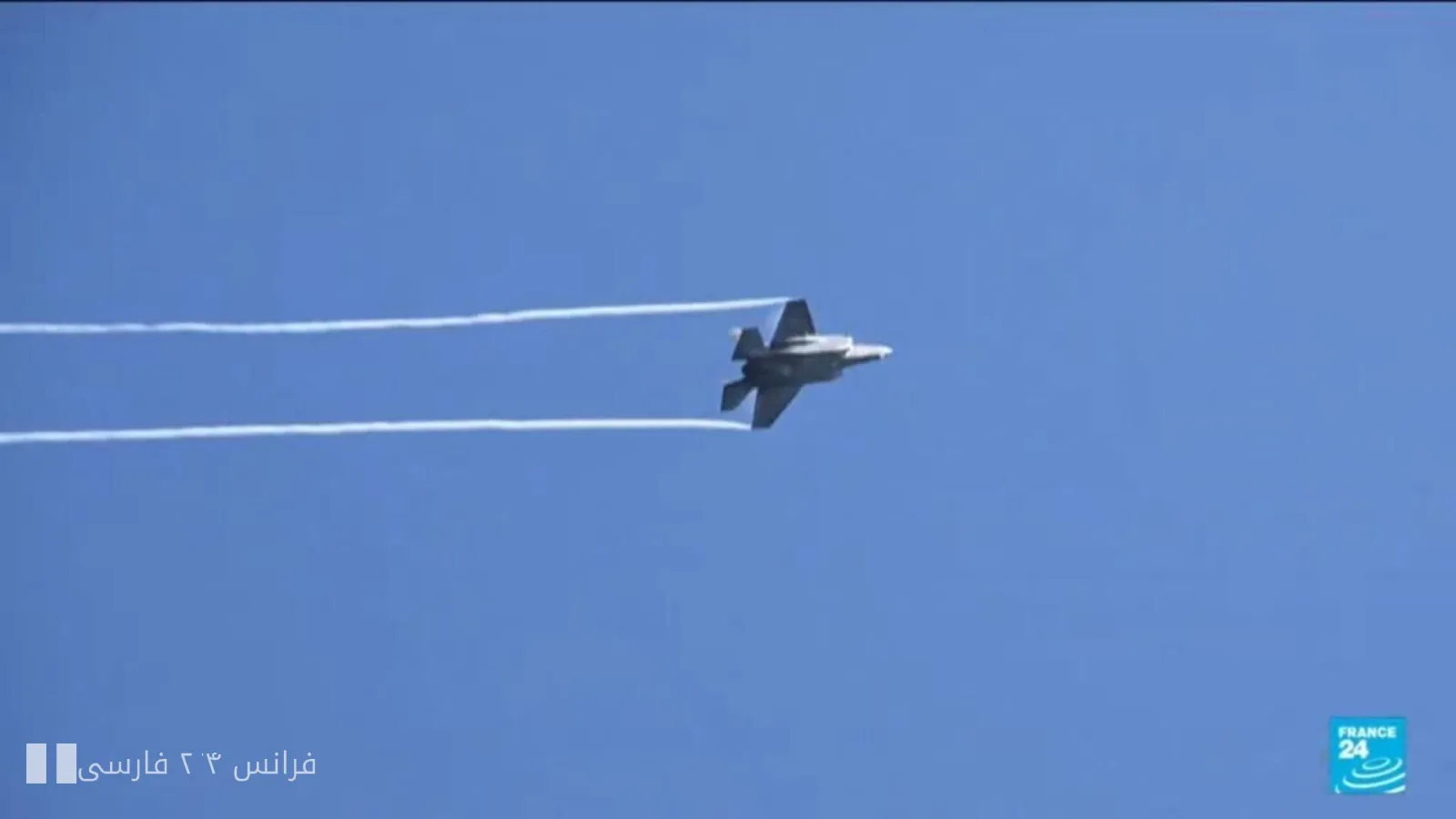
The United States has approved the sale of 48 F-35 fighter jets to Saudi Arabia for $24.3 billion. This decision, announced on Thursday by the U.S. Department of State, reflects the ongoing arms buildup of Saudi Arabia in response to increasing tensions with Iran and its affiliated groups.
Historical and Strategic Context
The purchase of these fighter jets, recognized as one of the most advanced and equipped jets in the world, comes at a time when Saudi Arabia has repeatedly been targeted by air and missile attacks from Iranian forces. Since the start of the war between Israel and the United States against Iran in February of this year, the country has faced increased threats. Additionally, Saudi Arabia is also under pressure from Houthi rebels in Yemen, who are supported by Iran.
Read more: Russian drone attack on Kyiv region leaves five injured
Military and Economic Dimensions of the Agreement
This agreement, as one of the largest arms deals in Saudi Arabia's history, will have wide-ranging implications in the region. Given that Saudi Arabia is recognized as one of the main allies of the United States in the Middle East, this deal will help strengthen the military power of the country against potential threats from Iran and its affiliated groups. Furthermore, this contract could bolster U.S. defense industries and create jobs in the country.
The sale of F-35 fighter jets may also contribute to the formation of a new balance of military power in the Middle East. As other countries seek to enhance their military capabilities, this agreement may lead to increased arms competition in the region. In this context, neighboring countries of Saudi Arabia, as well as Iran, will respond differently to this agreement.
International Reactions
International reactions to this agreement are still taking shape. Some analysts believe that this agreement could escalate tensions in the region and exacerbate existing crises. In particular, there are concerns about the impacts of this agreement on the security and stability of the Middle East. Conversely, others argue that strengthening Saudi Arabia's military capabilities could help establish stability against external threats.
Ultimately, this agreement is just one of several actions by the United States to support its allies in the Middle East and reflects Washington's determination to maintain military cooperation with countries facing common threats.
Read more: The U.S. government refrains from military support for Saudi Arabia against the Houthis · The U.S. government reports major progress in establishing a military base in Poland