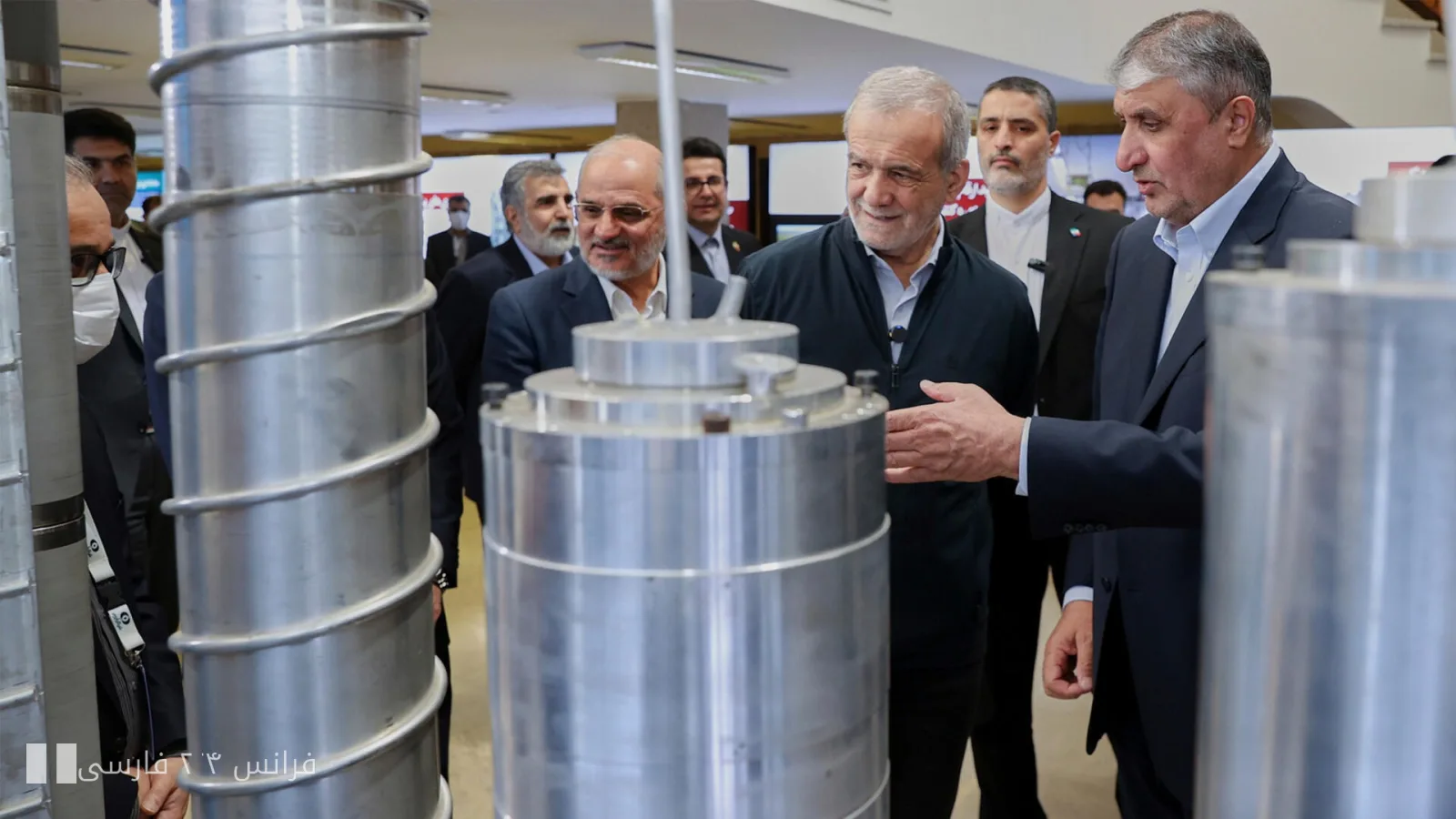
The Head of Iran's Atomic Energy Organization, Mohammad Eslami, will not attend the IAEA General Conference held annually in Vienna due to an international travel ban. This conference, recognized as one of the most important international events in the field of nuclear energy and oversight of countries' nuclear programs, provides an opportunity for discussion and examination of key issues in the nuclear domain.
The Impact of the Travel Ban on Iran's Nuclear Diplomacy
The travel ban for Eslami, especially at this point in time, indicates serious challenges in the realm of Iran's nuclear diplomacy. This is the first time that the Head of Iran's Atomic Energy Organization will not participate in the IAEA General Conference, and this issue could affect Iran's international image in the nuclear field. In recent years, Iran's participation in this conference has been viewed as a diplomatic action to demonstrate transparency and cooperation with the global community.
Read more: Tehran and the Houthis: A New Game in Bab al-Mandab
Consequences of Non-Attendance
Eslami's absence from this conference could lead to the continuation of tensions in Iran's relations with Western countries, especially the United States. This is particularly significant as negotiations regarding Iran's nuclear program and the lifting of sanctions are ongoing. Many analysts believe that not participating in this event could further limit the opportunity Iran has to improve its relations with other countries.
Meanwhile, some Iranian officials also believe that this travel ban cannot prevent Iran from continuing its nuclear activities, and the country will continue its nuclear programs. On the other hand, the global community emphasizes that Iran must adhere to its international commitments regarding the non-proliferation of nuclear weapons.
As Iran seeks to reduce international pressures, the absence of the Head of the Atomic Energy Organization from the IAEA General Conference could be interpreted as a sign of further isolation for the country on the international stage. This is especially true as other countries are examining and assessing Iran's nuclear situation, and any lack of cooperation could lead to further doubts about Iran's intentions.
Read more: The Jewish Policeman Who Votes with Arabs in the Israeli Elections · BRICS Summit in New Delhi: Efforts to Increase Global Influence