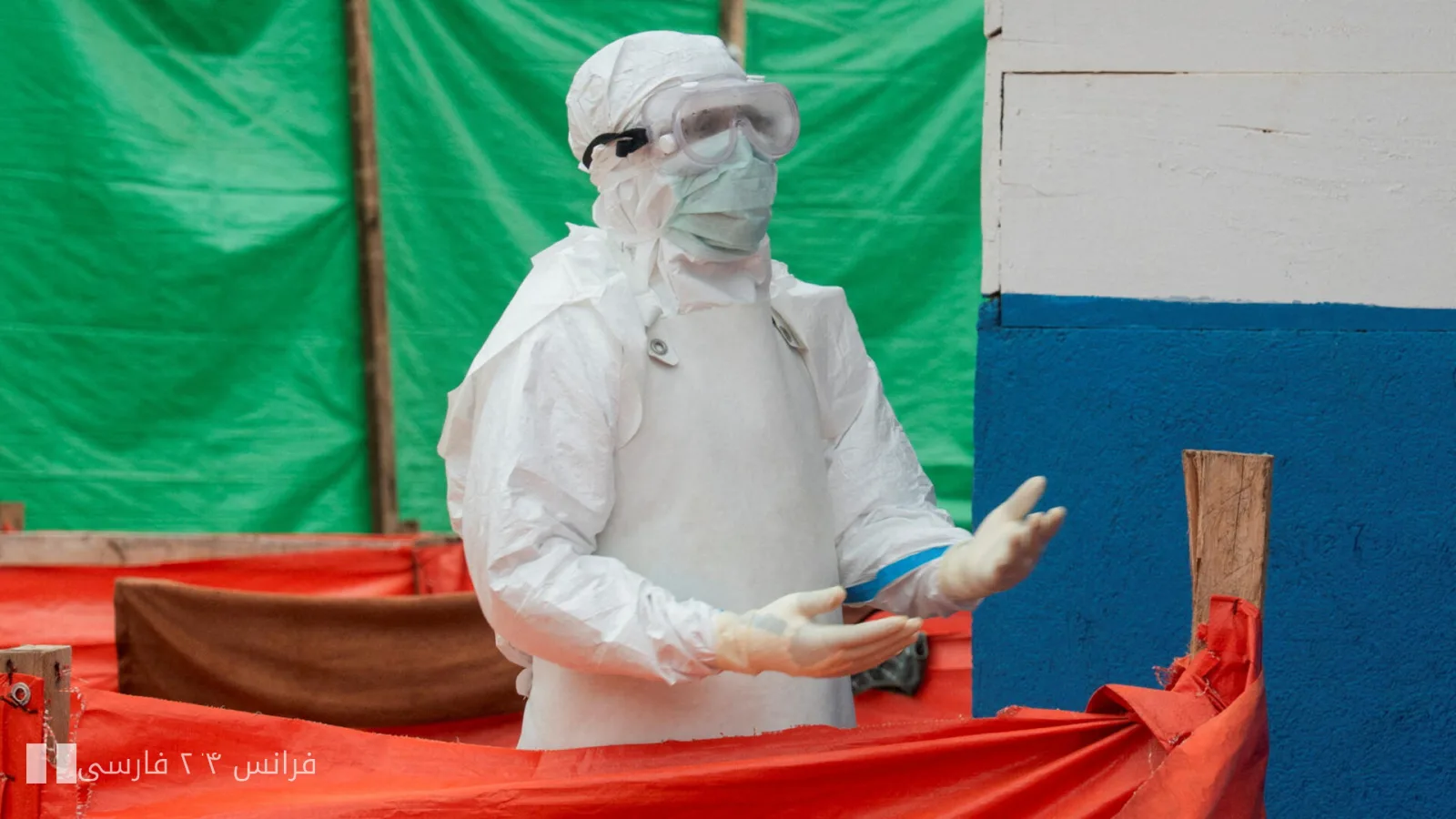
The World Health Organization (WHO) has recently stated that hopeful signs have been observed in the fight against the Ebola outbreak in the Democratic Republic of the Congo. However, this international body emphasized that the Ebola epidemic is not over yet and requires caution and further actions.
Number of Cases and Current Situation
According to recent reports, as of September 11, more than 7,000 cases of Ebola have been recorded in seven provinces of the Democratic Republic of the Congo. This statistic indicates a significant spread of the disease in the country. Health officials in the country and the World Health Organization are making continuous efforts to control and contain this epidemic.
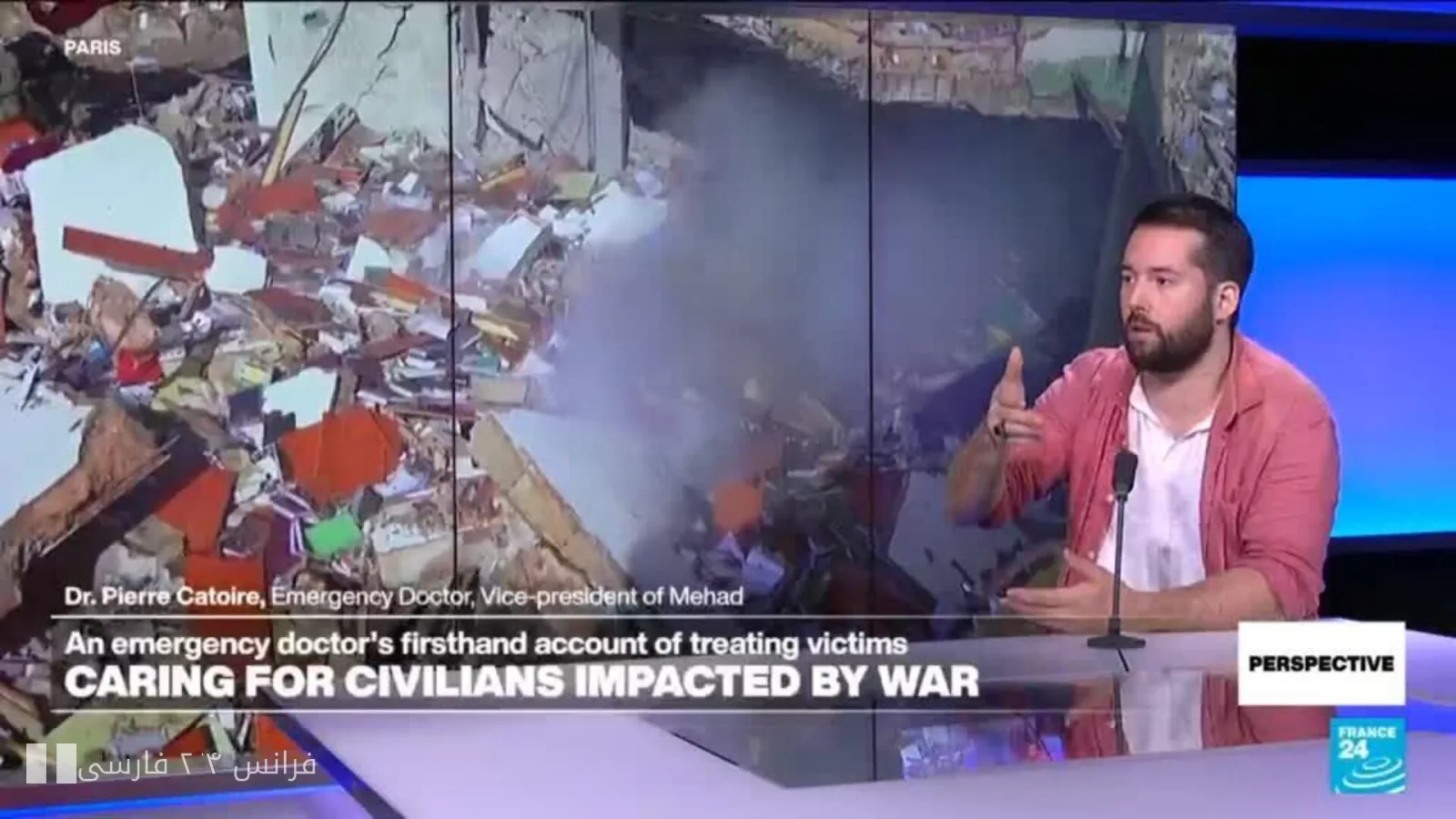
Read more: Pierre Cator, Emergency Physician and Challenges of Caring for Civilians in War-Torn Areas
Actions and Challenges
The World Health Organization has implemented various measures to control this epidemic, including deploying medical and health teams in critical areas and providing vaccines to those at risk. However, multiple challenges, including resource shortages and lack of cooperation from some local communities, hinder the success of these efforts.
Moreover, despite hopeful signs in controlling the spread of the disease, public health experts warn that this epidemic is not fully under control and the risk of new cases always exists. Therefore, local communities must adhere to preventive measures and ensure cooperation with health authorities.
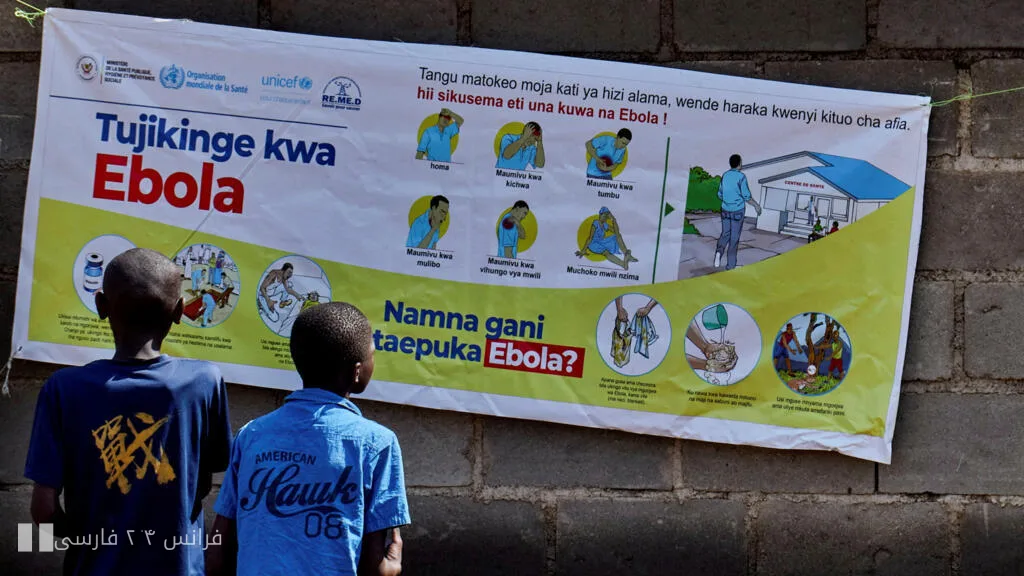
The World Health Organization has also introduced educational and awareness-raising methods in local communities to inform people about the signs and symptoms of the disease and encourage them to seek treatment at health centers. These actions can help in the early identification of new cases and ultimately lead to better epidemic control.
Social and Economic Consequences
The Ebola outbreak in the Democratic Republic of the Congo not only harms public health but also has social and economic repercussions. The restrictions and quarantines imposed to control the spread of the disease have disrupted economic and social activities in the country. This situation has particularly negatively impacted the daily lives of people and increased the need for immediate social support.
Ultimately, the World Health Organization emphasizes international cooperation and support for the Democratic Republic of the Congo in this crisis and stresses the necessity of continuing efforts to control this epidemic and prevent its spread in the future.
Read more: Flu Vaccination Begins; NHS is Recovering from a Busy Summer · Albania: A New Dental Destination for Medical Tourists