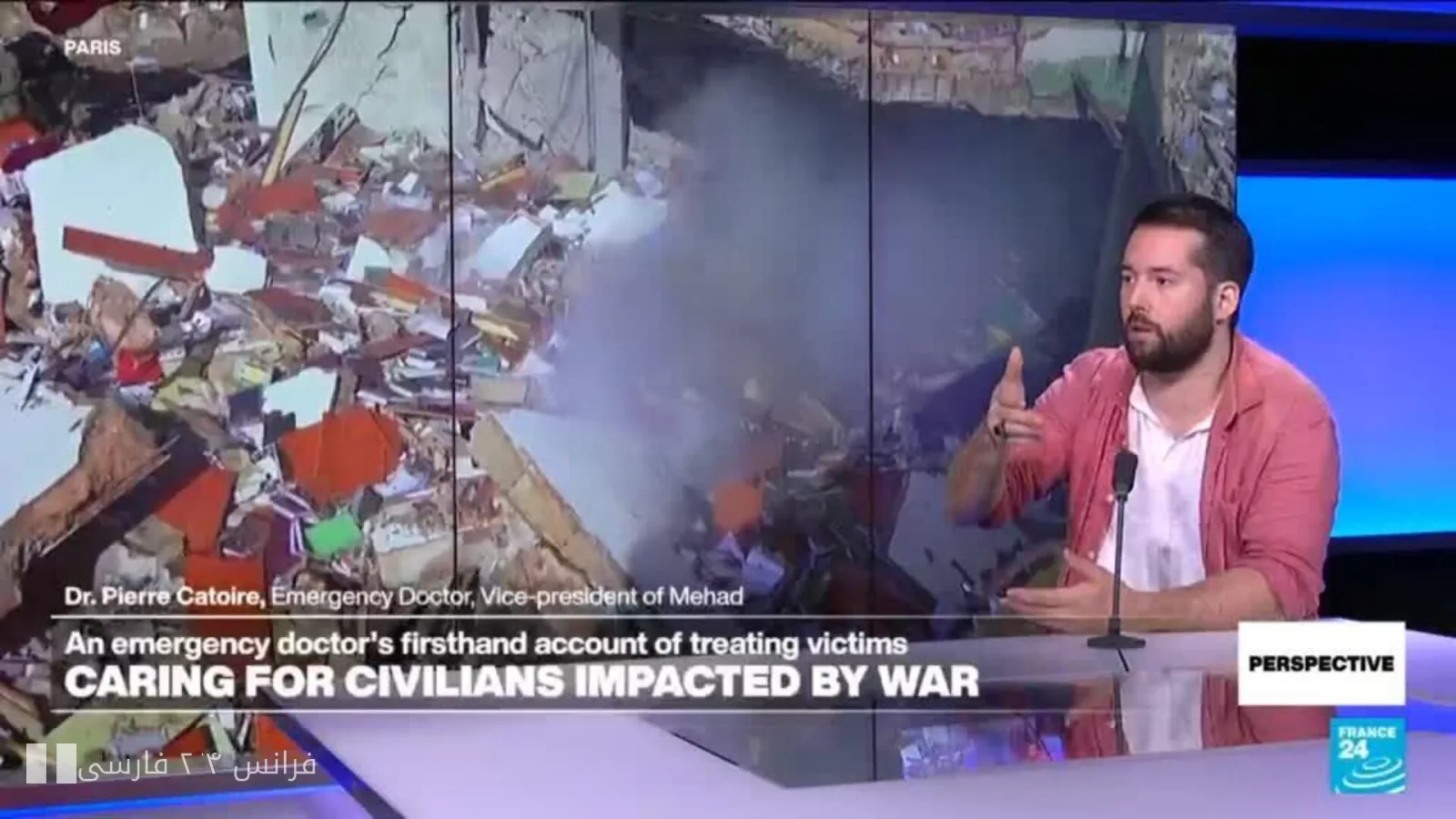
Pierre Cator, an emergency physician and deputy of the NGO Médecins Sans Frontières, has addressed the countless challenges that doctors and healthcare workers face in active war zones. These challenges range from "double-tap" attacks that pose serious risks to emergency workers, to roadblocks, evacuation orders, and the position of humanitarian organizations in changing political discussions.
Challenges Facing Doctors in Conflicts
Emergency physicians in war zones face multiple threats that can severely impact their activities. One major danger is the "double-tap" attacks, which refer to the targeting of rescue sites after the initial strike. This phenomenon not only endangers the lives of citizens and non-combatants but also puts the lives of doctors and emergency workers at risk. In such circumstances, healthcare workers must operate with greater caution and care.
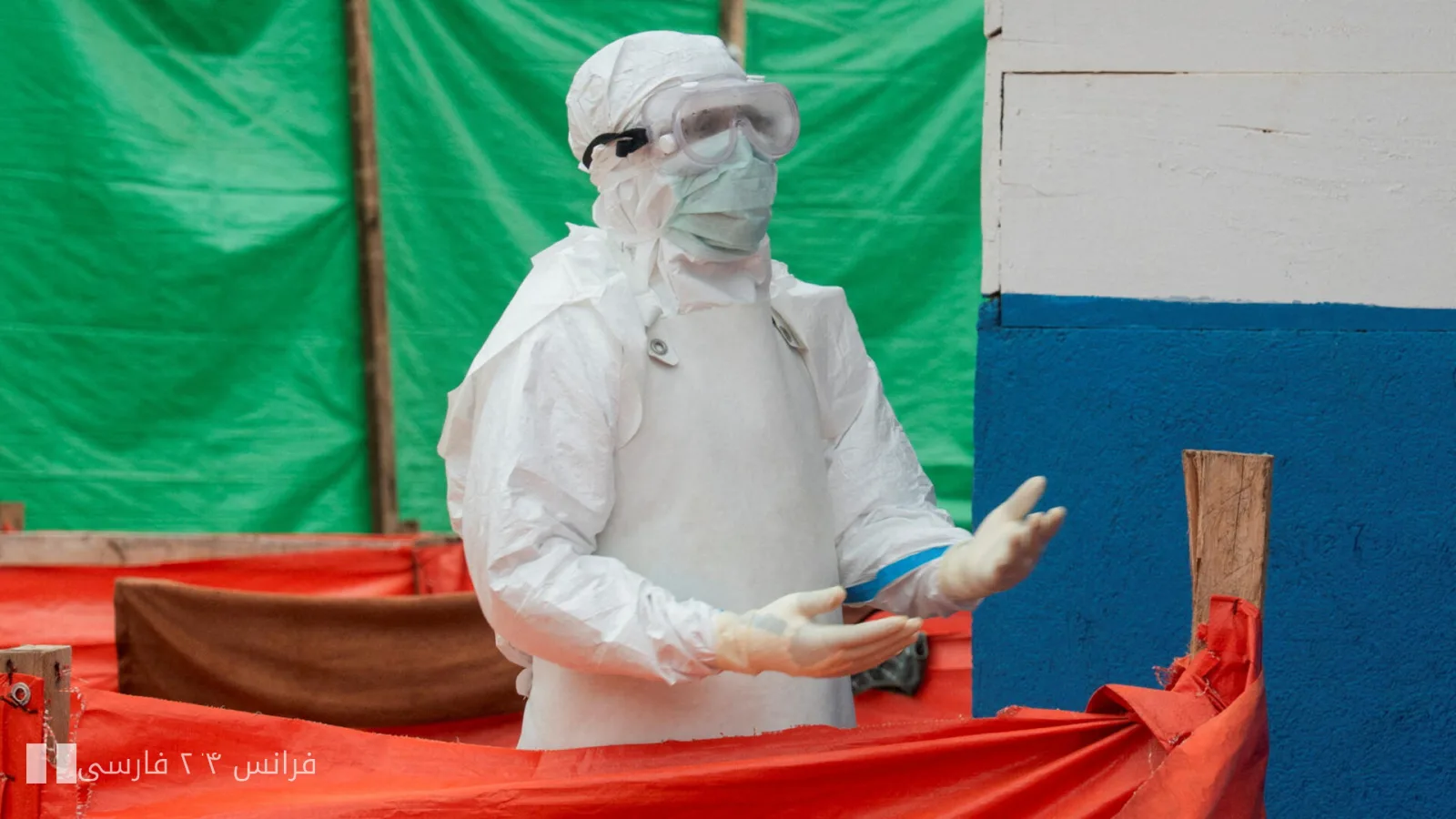
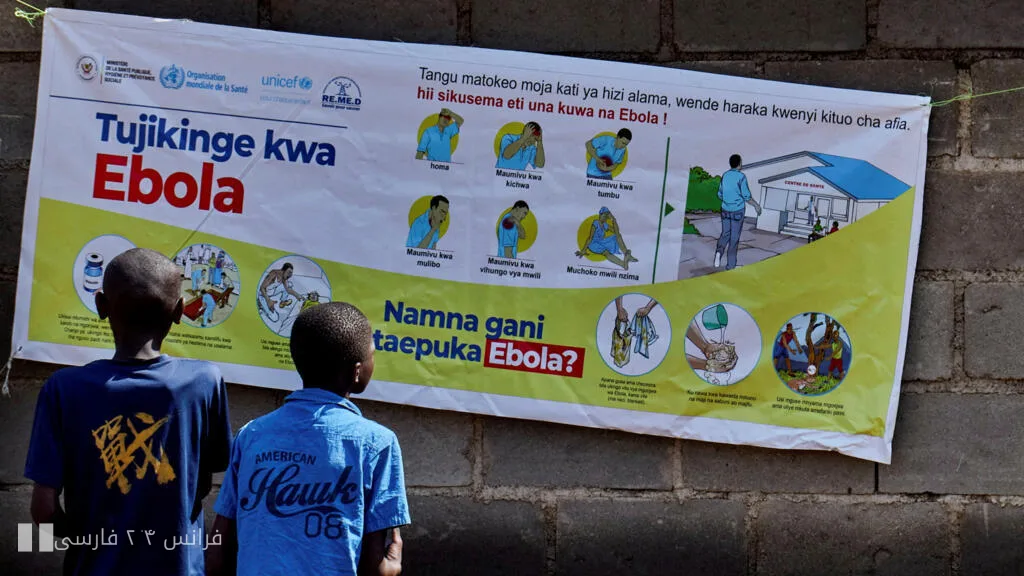
Read more: Deadly Ebola outbreak in Congo; a crisis beyond responses
Human Achievements and Challenges
Pierre Cator emphasizes that alongside these challenges, human achievements in these environments are also significant. Doctors and healthcare workers strive to meet the health needs of civilians by creating local and international cooperation networks. However, these efforts are often faced with political and administrative obstacles. For instance, humanitarian organizations sometimes encounter restrictions in accessing critical areas, which can severely affect the quality of healthcare services.
At the same time, Cator stresses the increasing importance of collaboration among various organizations. These collaborations can help improve health conditions in war zones and thereby save the lives of many civilians. He believes that in wartime conditions, all available capacities and resources must be utilized to provide healthcare services in the best possible manner.
Read more: Fighting Ebola: The largest treatment center opens in the Democratic Republic of Congo · Ebola threat in Congo: Global response intensifies!