In today's world, where climate change has become one of humanity's greatest challenges, a new study has intensified concerns about the state of the environment. This study shows that rising global temperatures due to fossil fuels have transformed forests, wetlands, and tundras in such a way that these areas are currently emitting more greenhouse gases.
Risks from Melting Permafrost
One consequence of global warming is the melting of permafrost in polar regions. As this ice melts, methane and carbon dioxide that are naturally stored in the soil and trees are released. This can significantly exacerbate the climate crisis, and estimates suggest that these changes may lead to temperature increases of up to 30% more than what we have experienced so far.
Forests and Intense Fires
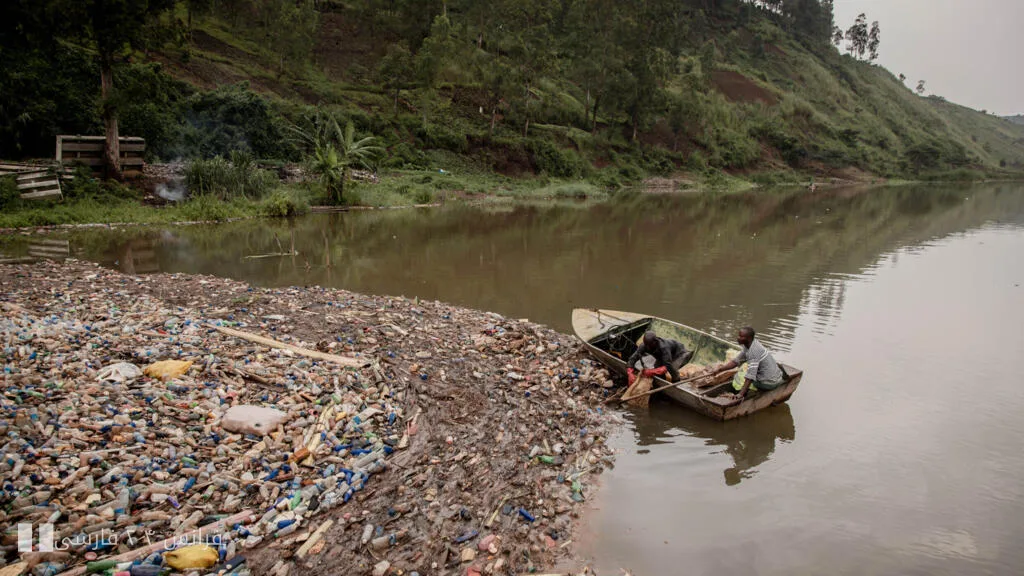
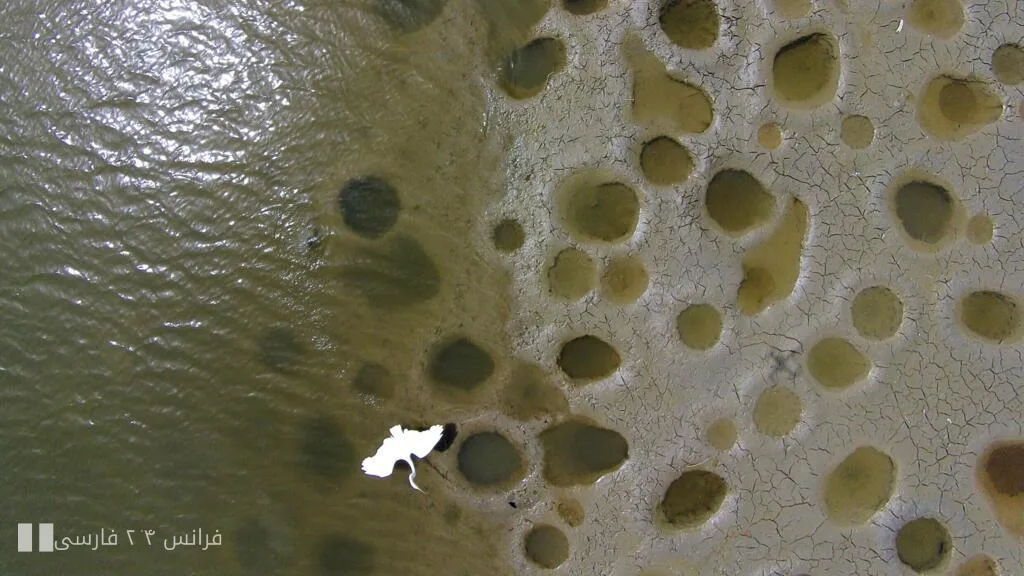
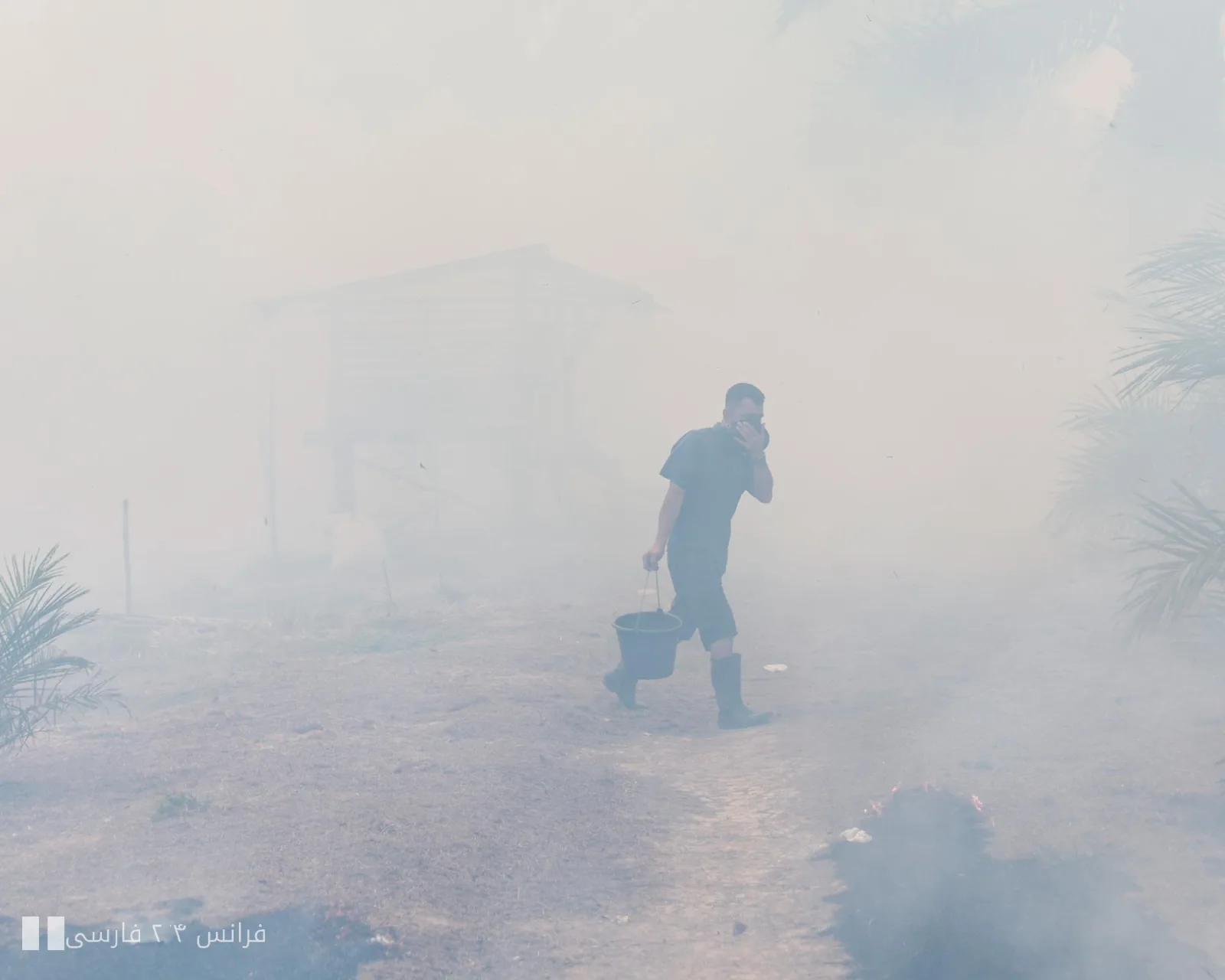
In addition to melting ice, forests are also at risk of intense fires due to rising temperatures. These fires contribute to ecosystem imbalance and help increase greenhouse gas emissions. As a result, this vicious cycle exacerbates the climate crisis. Lakes and wetlands are also warming, which acts as another factor in increasing greenhouse gas emissions.
Given these findings, it is essential for global communities to act swiftly and find effective solutions to limit greenhouse gas emissions. Otherwise, the future of the Earth will be in serious jeopardy.