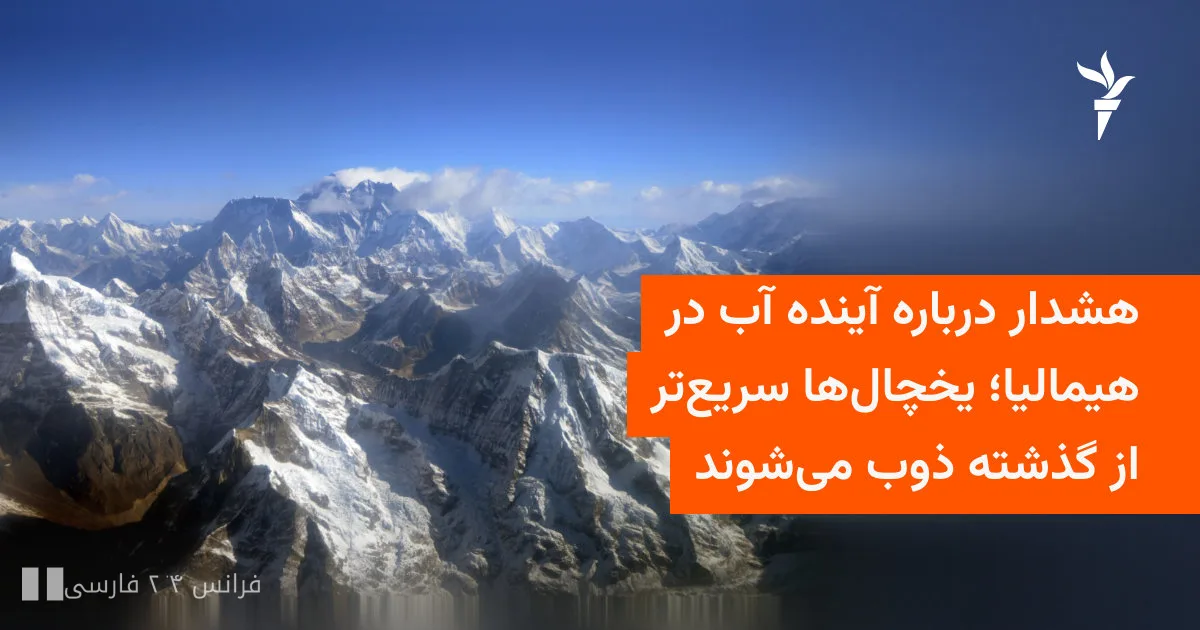
The glaciers of the Himalayas are at a critical stage of climate change, with their melting accelerating significantly compared to a decade ago. These findings have been published in a new study and highlight the threat to the water security of the region.
Increased Risks from Glacier Melting
Research shows that the Himalayan region is approaching a "peak water" stage by the middle of this century, a stage where the water flow from melting glaciers will reach its highest level. These climate changes were brought to greater attention following the collapse of a natural glacier on the border between Nepal and Tibet in late August, which resulted in landslides and flash floods in downstream areas, leading to at least 1,300 deaths and over 5,300 people missing.
Read more: Can the Arctic ecosystem adapt to the climate crisis?
Risks from Upstream Lakes
Researchers have noted that as glaciers melt, water accumulates in lakes that form upstream of other lakes. These lakes are only held back by loose masses of rock, gravel, and ice, putting millions of people in downstream areas at risk. In recent decades, the area of the Himalayan glaciers has rapidly decreased, raising serious concerns about water security in the region.
This study focused on 21 glaciers out of approximately 40,000 glaciers in the Hindu Kush and Himalayas, from Afghanistan to Myanmar. Given that the Himalayan glaciers are the main source of water for millions of people in the region, these findings could have profound implications for the daily lives and food security of the inhabitants of these areas.
Read more: Scorching Summer: Heat Records Broken in America · The Future of African Cities: An Innovative Exhibition in Kenya