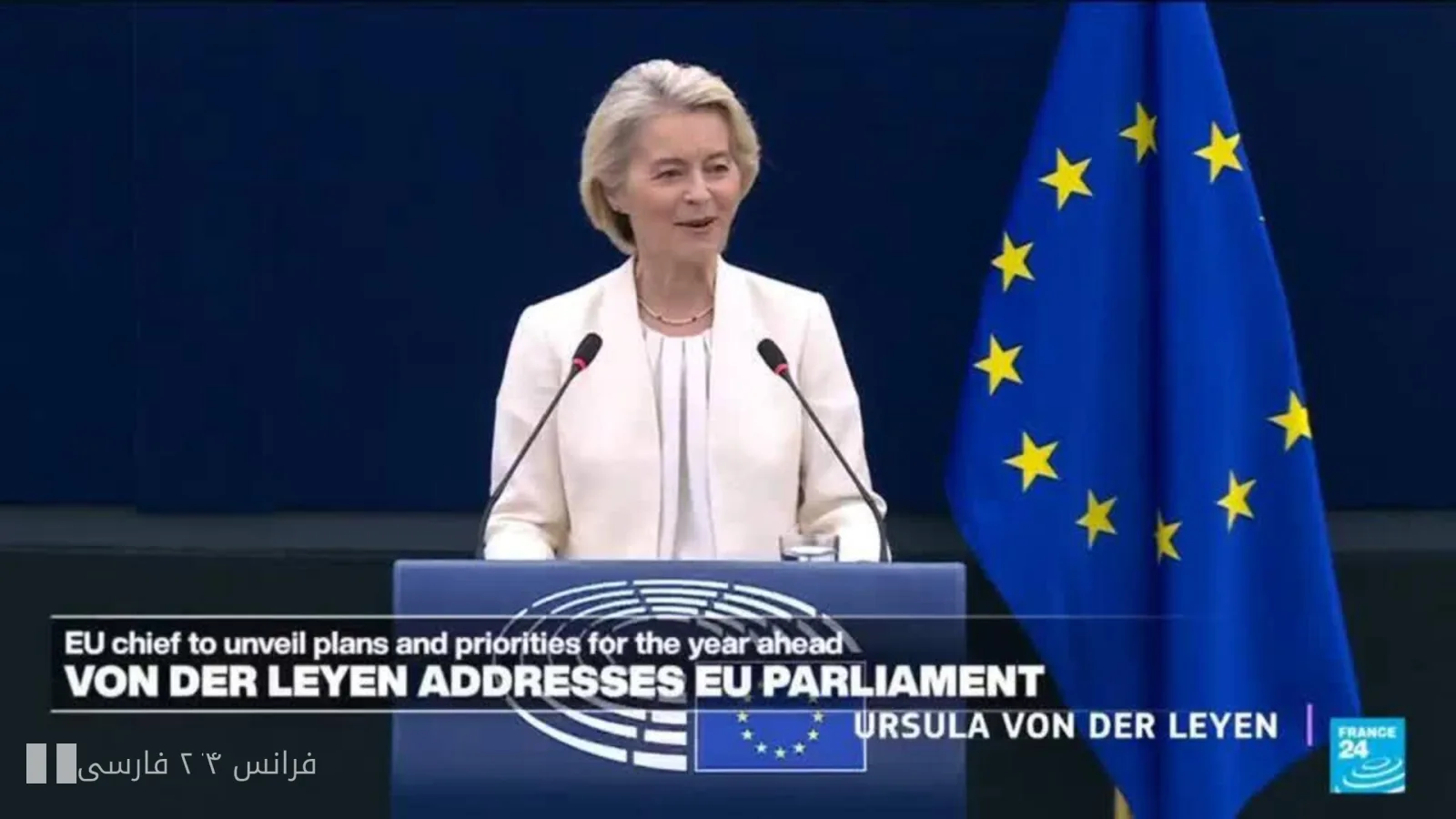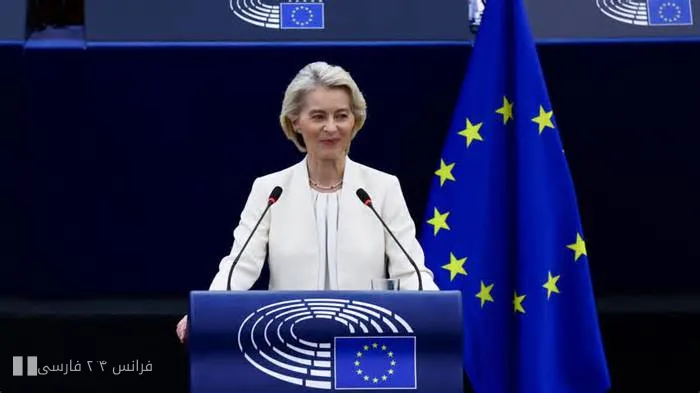
Ursula von der Leyen, President of the European Commission, presented a proposal on Wednesday that EU member states must ban social media use for individuals under 13 years old. This plan comes in response to growing concerns about the negative impacts of social media on the mental health and safety of teenagers.
Goals and Reasons for the Proposal
The main goal of this proposal is to protect teenagers from inappropriate content and potential dangers present in the online space. Given the increasing trend of social media use among young people, the European Commission believes it is time to take more serious measures in this area. This plan aligns with the EU's ongoing efforts to ensure online safety and protect children's rights in the digital world.
Read more: Sweden's General Election with a Narrow Lead for the Center-Left
Details of the Proposal and Reactions
According to this proposal, countries must take actions to block the accounts of individuals under 13 years old on social media. Additionally, the Commission is seeking to establish a valid age verification system to help platforms ensure their users are above the legal age. In this context, various reactions from the community and different institutions have been expressed regarding this proposal. Some experts believe that this action could help reduce mental and social issues among teenagers, while others are concerned that this ban may limit individual freedoms.
Currently, many social media platforms like Facebook and Instagram have rules that set the minimum age at 13 years, but in practice, monitoring compliance with these rules is difficult. For this reason, the European Commission believes that this proposal could serve as an effective solution to improve the current situation.
Potential Consequences and Future
The consequences of this proposal may extend beyond the borders of the European Union and impact how social media is managed globally. If these regulations are approved, other countries may also follow this model and consider similar approaches in their policies. This could lead to significant changes in how teenagers interact with technology and the online space and ultimately contribute to improving the mental health of this demographic.
Given the complexities of the issue and the need for consensus among member states, it is expected that the review and final approval of this proposal will take time. However, this action demonstrates the European Commission's serious commitment to addressing the challenges related to the use of technology and digital culture in society.
Read more: Ursula von der Leyen Delivering a Speech on the State of the European Union · Macron: Ban on Social Media for Under 15s in the EU