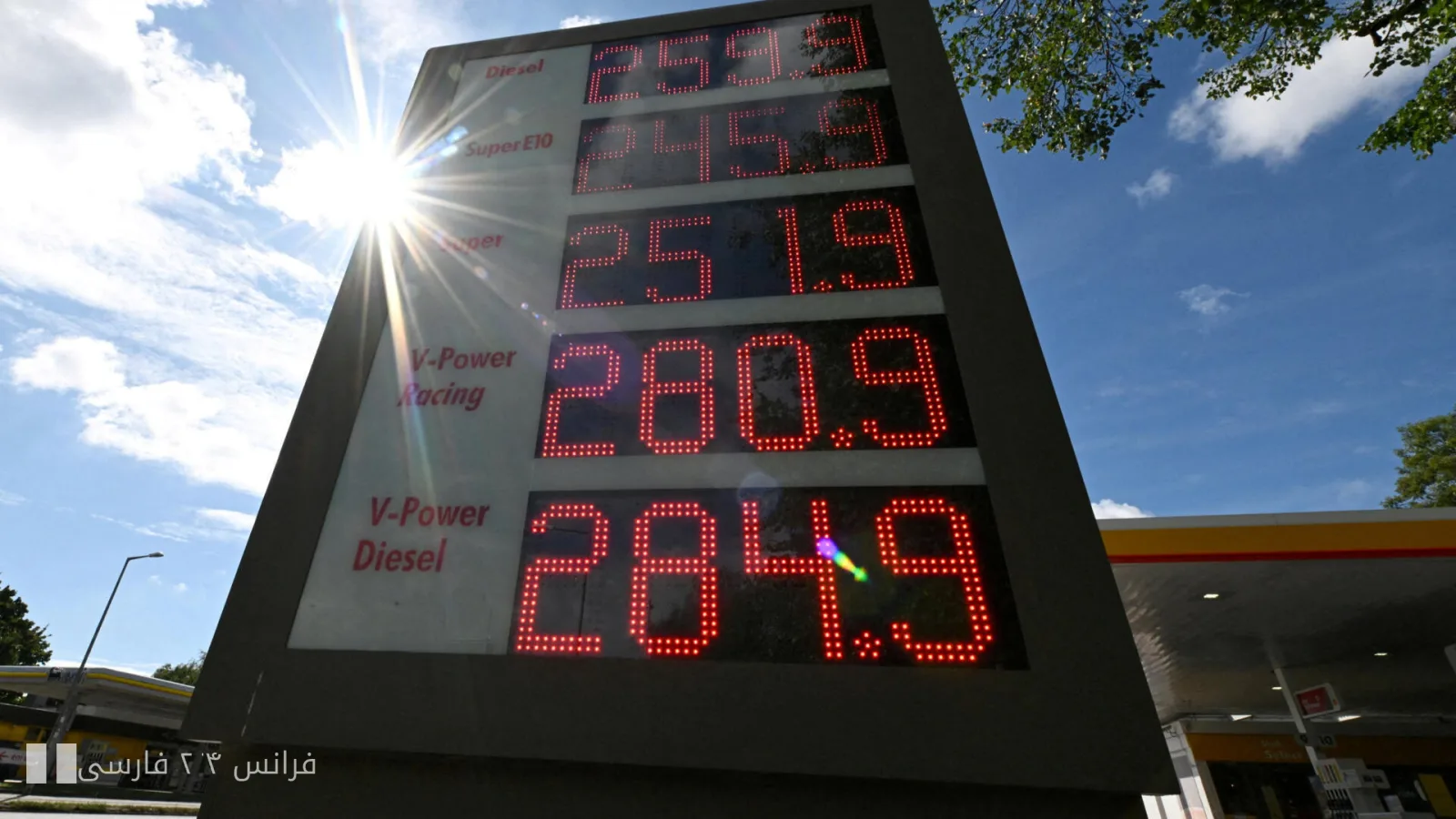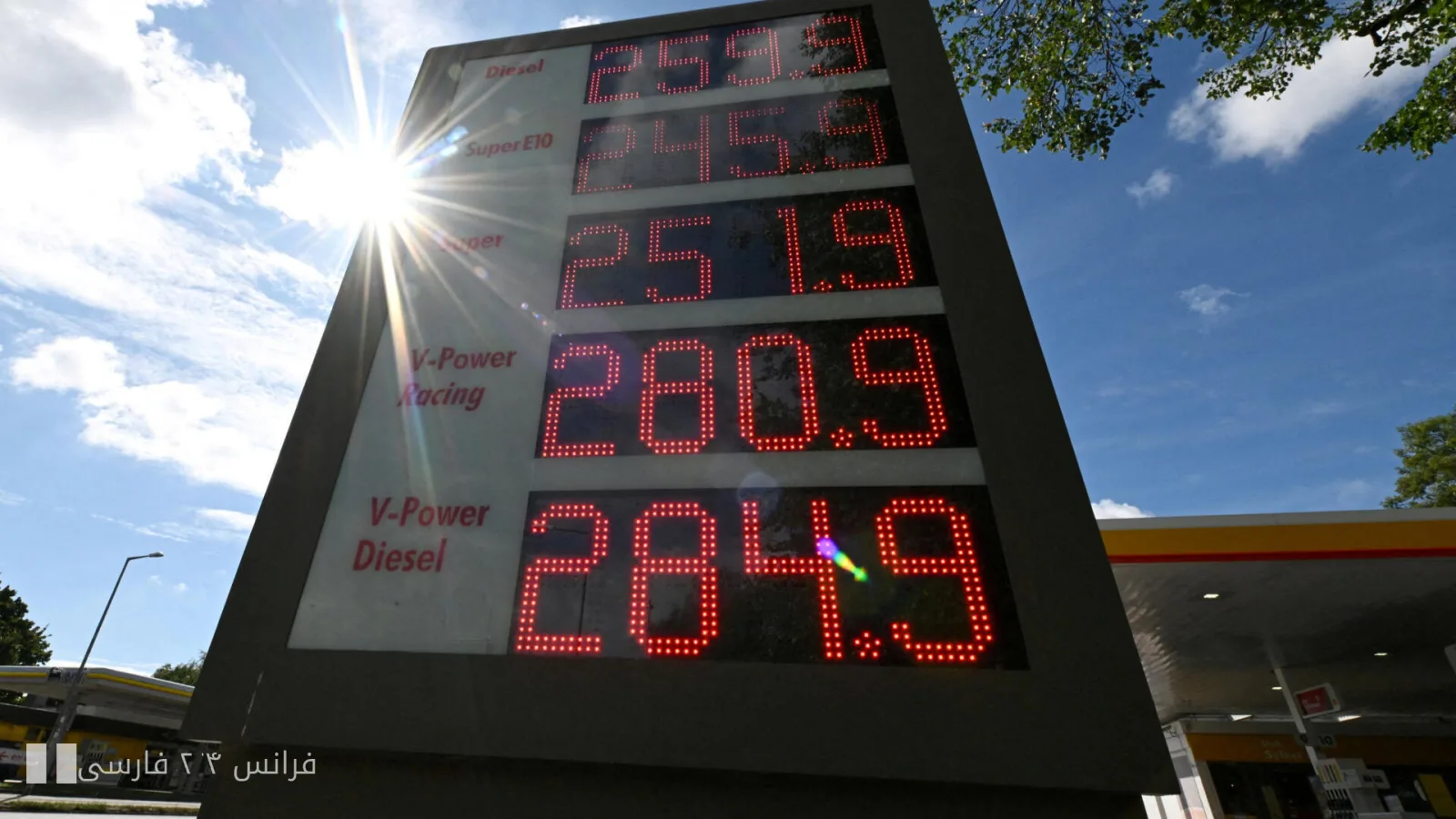
Germany will reduce taxes on gasoline and diesel by 17 cents per liter starting October 1, 2023, to alleviate pressure on drivers and combat the significant rise in fuel prices. This decision comes as fuel prices in the country have exceeded 2 euros per liter, raising concerns about the impact of this increase on people's daily lives and the country's economy.
Economic and Social Context
The rise in fuel prices in Germany has become a serious issue, attracting increasing criticism towards the government of Friedrich Merz, the Chancellor of the country. Given that fuel costs play a major role in households' daily expenses, this decision is aimed at providing temporary relief for drivers and reducing financial pressure on them.
Read more: Competition among French candidates for the issue of living costs ahead of the 2027 elections
Consequences of Tax Reduction
The reduction in fuel taxes could lead to an immediate decrease in transportation costs and, consequently, help reduce inflationary pressure. This measure may also strengthen public support for the government as prices continue to rise sharply. However, analysts believe that this action may not be sufficient on its own and that more comprehensive plans are needed to manage the current economic crisis.
In recent months, economic pressures stemming from the war in Ukraine and rising global energy prices have affected Germany and other European countries. Since the onset of this crisis, the German government has been trying to assist the public by providing support packages and tax reductions. However, with prices continuing to rise, these efforts have been challenged, and the government is under increased pressure.
Future Expectations
With the reduction in fuel taxes, prices are expected to temporarily decrease, but economists warn that this reduction may be short-lived and that prices could rise again if global energy price fluctuations continue. For this reason, the government must seek more sustainable solutions to manage this crisis.
This decision could also serve as a test for other European countries facing similar challenges. In the current situation, unity and coordination among European countries to tackle economic and energy crises have become increasingly important. Meanwhile, Germany, as the largest economy in Europe, plays a key role in shaping regional economic policies.
Read more: Macron issues directive for sustainable fuel supply · Ali Al-Zaydi visited Germany