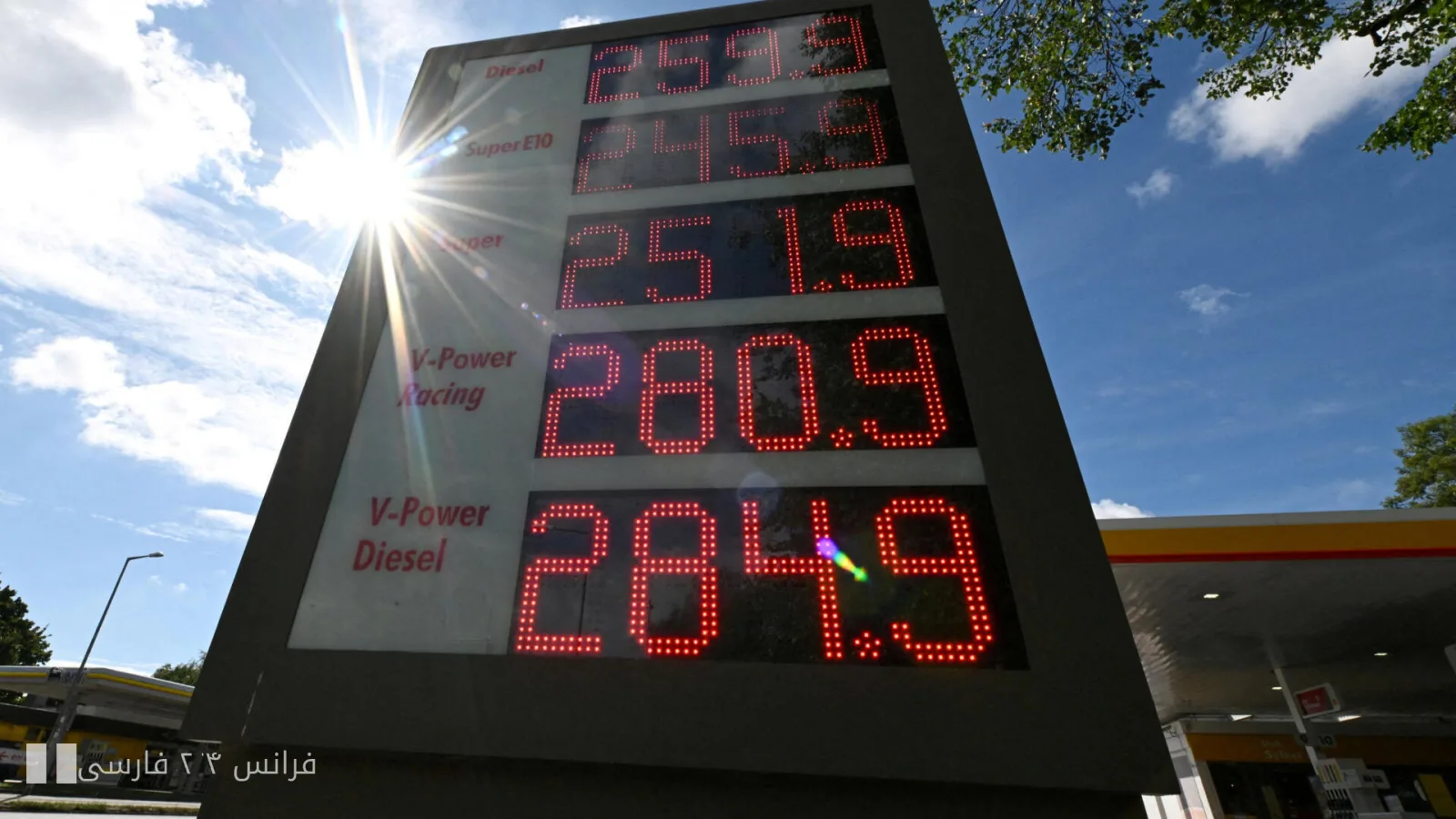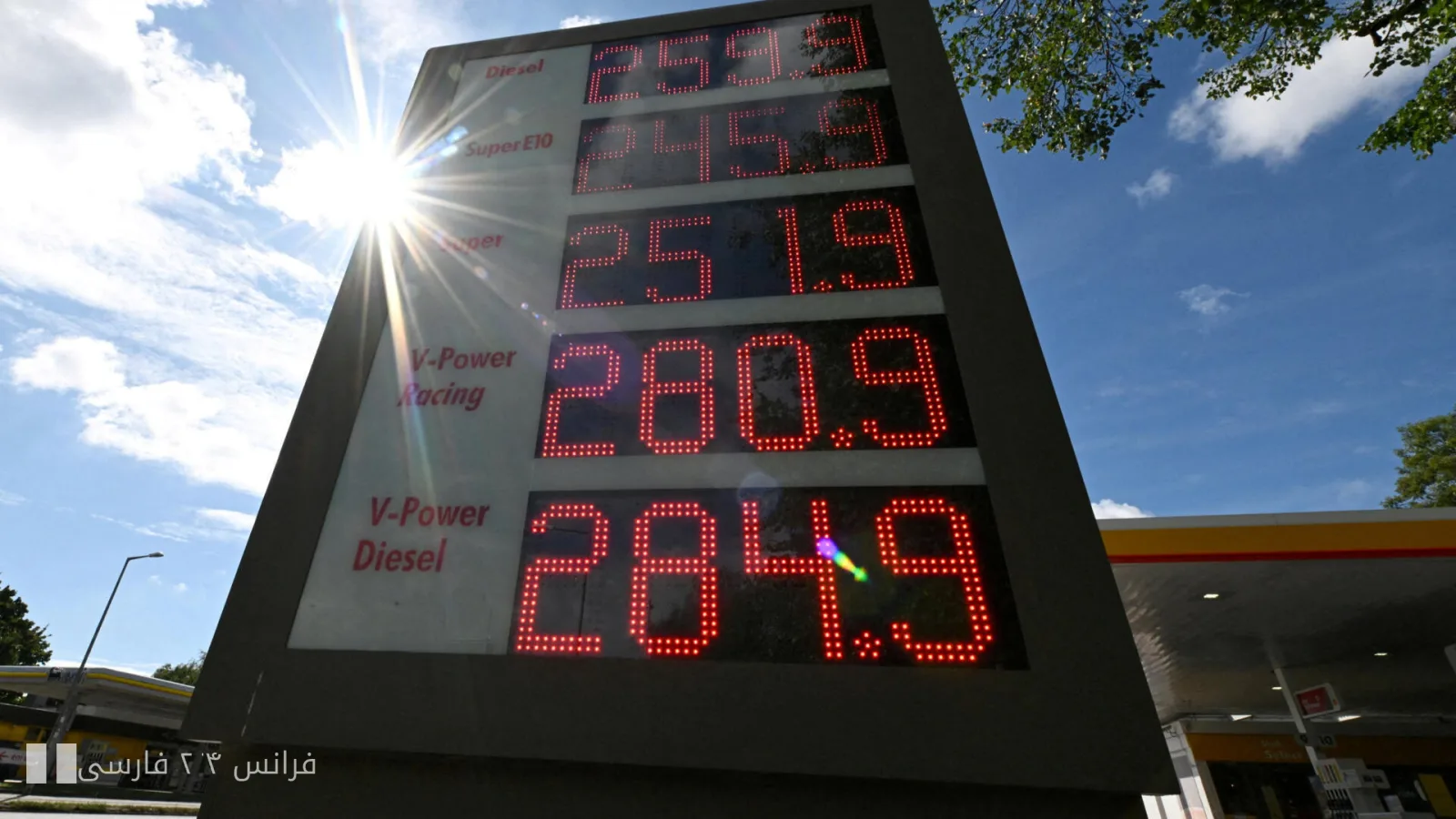
The German government is reducing the tax on these fuels by 17 cents per liter to lower gasoline and diesel prices. This measure will take effect from October 1 and seems aimed at easing the living conditions of citizens and increasing competitiveness in the energy market.
Economic and Political Context of the Decision
The reduction of energy taxes in Germany comes at a time when the Christian Democratic Party, led by Friedrich Merz, is facing serious challenges ahead of state elections in Berlin and Mecklenburg-Vorpommern. Polls indicate that this party may face a heavy defeat in these elections. Analysts believe that this government decision is somewhat an attempt to garner voter support and improve the country's economic situation.
Read more: Macron: Disruptions in oil supply affect the lives of French citizens
Consequences and Reactions
The reduction of fuel taxes could have significant impacts on consumer prices, especially as the cost of living has sharply increased. In this regard, it is expected that this government action will lead to lower gasoline and diesel prices in local markets and help citizens bear a lighter financial burden. Additionally, this action may help increase the popularity of the ruling party, although some critics believe that this decision may not have long-term results.
Given the current economic and social conditions in Germany, this decision could indicate deeper changes in the government's economic policies. The government is always striving to respond to the economic challenges of citizens by adopting similar measures and helping to improve market conditions and increase public satisfaction through tax changes.
Read more: The Strait of Hormuz and Bab el-Mandeb under pressure from fuel prices · The French Prime Minister announced a reduction of 54 billion euros in public spending