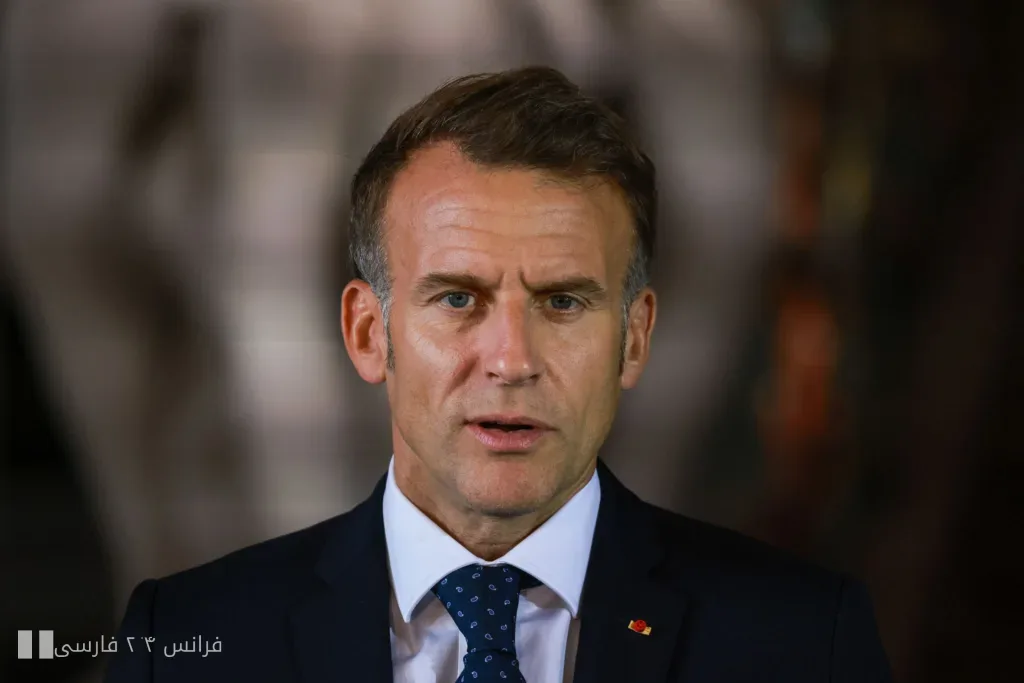
Emmanuel Macron, the President of France, has announced the convening of a meeting of G7 member countries in the coming weeks to discuss the state of oil reserves and the possibility of releasing part of strategic reserves.
Purpose of the G7 Meeting
Macron has stated that this meeting will aim for greater coordination among G7 countries regarding the level of reserves, exports, and production capacity. France is also working to secure shipments of diesel, jet fuel, and natural gas needed for the upcoming months.
Read more: Macron Seeks G7 Meeting to Address Energy Price Surge
Concerns About Diesel and Oil Markets
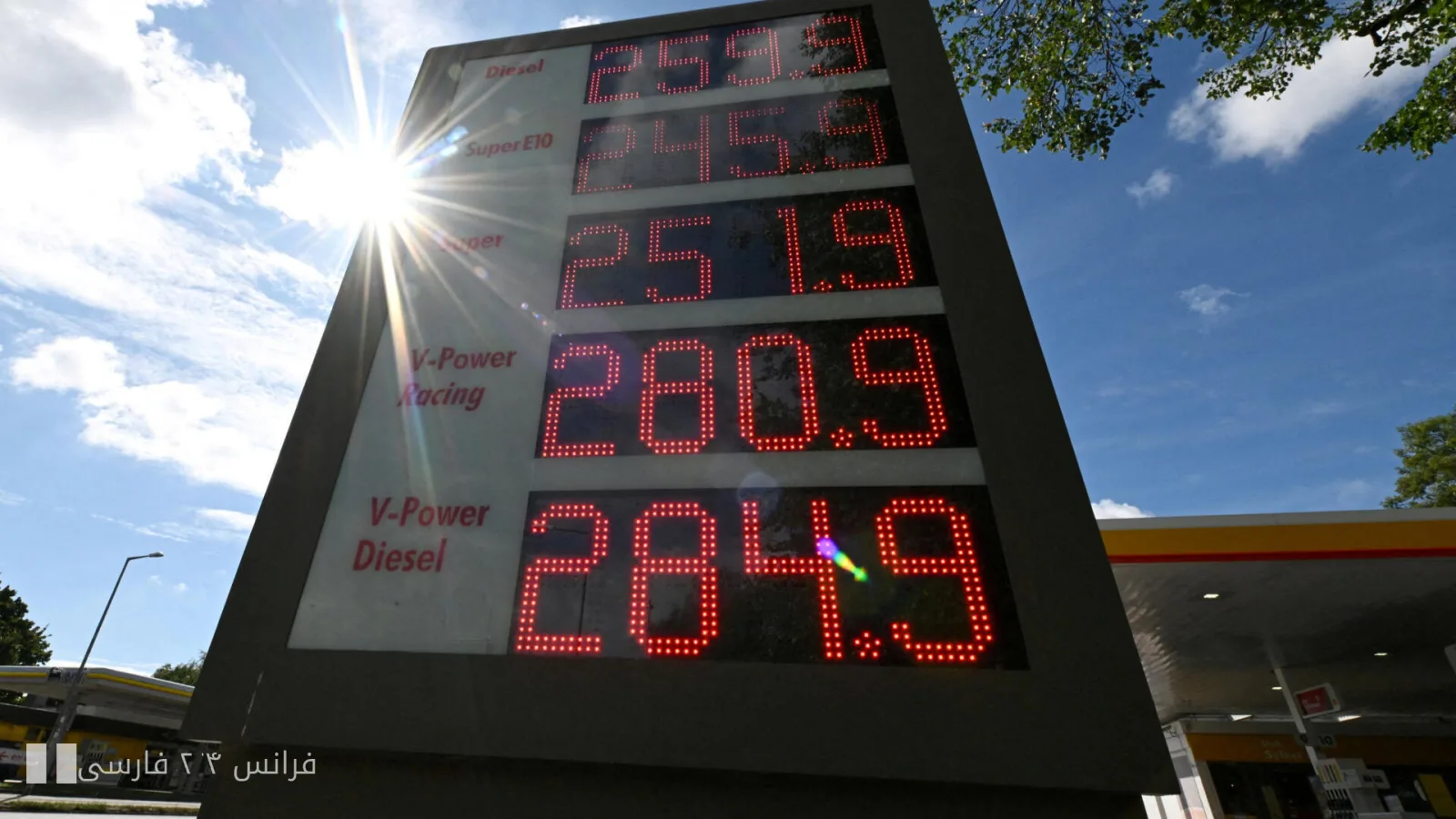
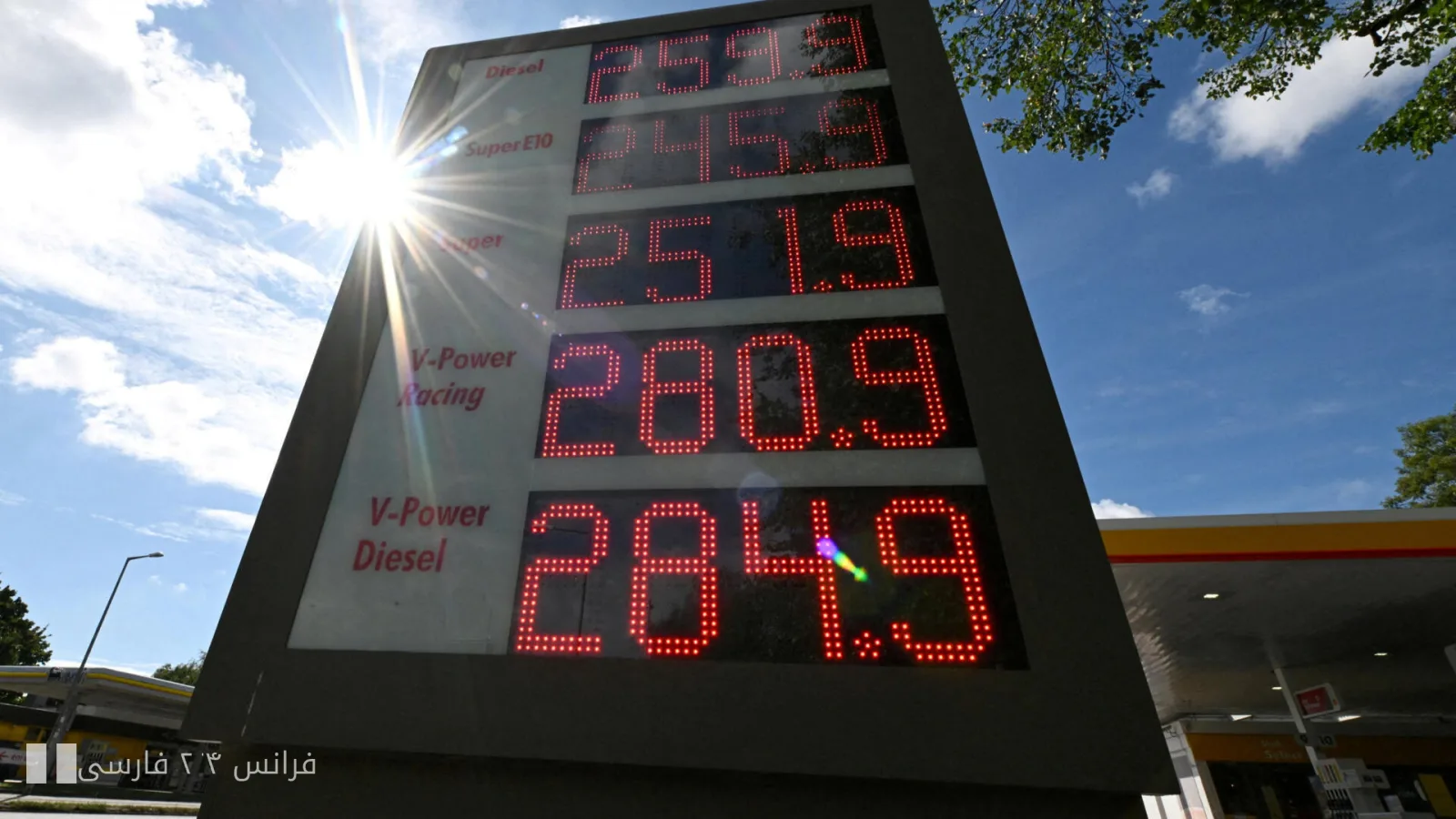
Despite the surge in gasoline and diesel prices in the U.S. and growing concerns about fuel shortages, official data shows that the country’s gasoline reserves have faced a significant decline. One of the current major concerns in Europe is the diesel market, where its benchmark price has surpassed $200 per barrel this week, and including taxes, its retail price has exceeded $300.
At the same time, restrictions on diesel exports from Russia and continued limitations on petroleum product exports from the Middle East have put additional pressure on the European fuel market. Disruptions in oil supply from Saudi Arabia have also added to the concerns in the European market. Aramco has informed at least two European refineries that it will not deliver the crude oil agreed upon in long-term contracts in October following an attack on the East-West pipeline in Saudi Arabia.
The company is also shifting part of its exported oil through alternative routes and ship-to-ship transfers near Oman; however, a significant portion of these shipments is directed to Asian refineries, and Europe is forced to source its necessary oil from other resources to compensate for the reduced supply.
Release of Emergency Reserves
Europe has a significant advantage in crisis management; a substantial portion of the region's emergency reserves consists of refined petroleum products such as gasoline and diesel. Therefore, releasing these reserves could help the fuel market in the short term. Member countries of the International Energy Agency have put more than 300 million barrels of their emergency reserves into the market since March.
Macron's new request comes at a time when consuming countries are trying to limit the impact of supply disruptions on oil and petroleum product prices. However, releasing emergency reserves is considered a short-term solution and cannot alone address disruptions in oil production and transportation infrastructure or issues related to key energy trade routes.
The European Union has also stated in its recent assessments that it is currently not facing an immediate oil supply shortage, and market needs are being met through increased production from European refineries, commercial and emergency reserves, and alternative resources. However, the continuation of geopolitical crises could exert more pressure on the market in the coming weeks and months.
Read more: The Strait of Hormuz and Bab al-Mandeb Under Pressure from Fuel Prices · Macron: France's Priority is to Reopen the Strait of Hormuz