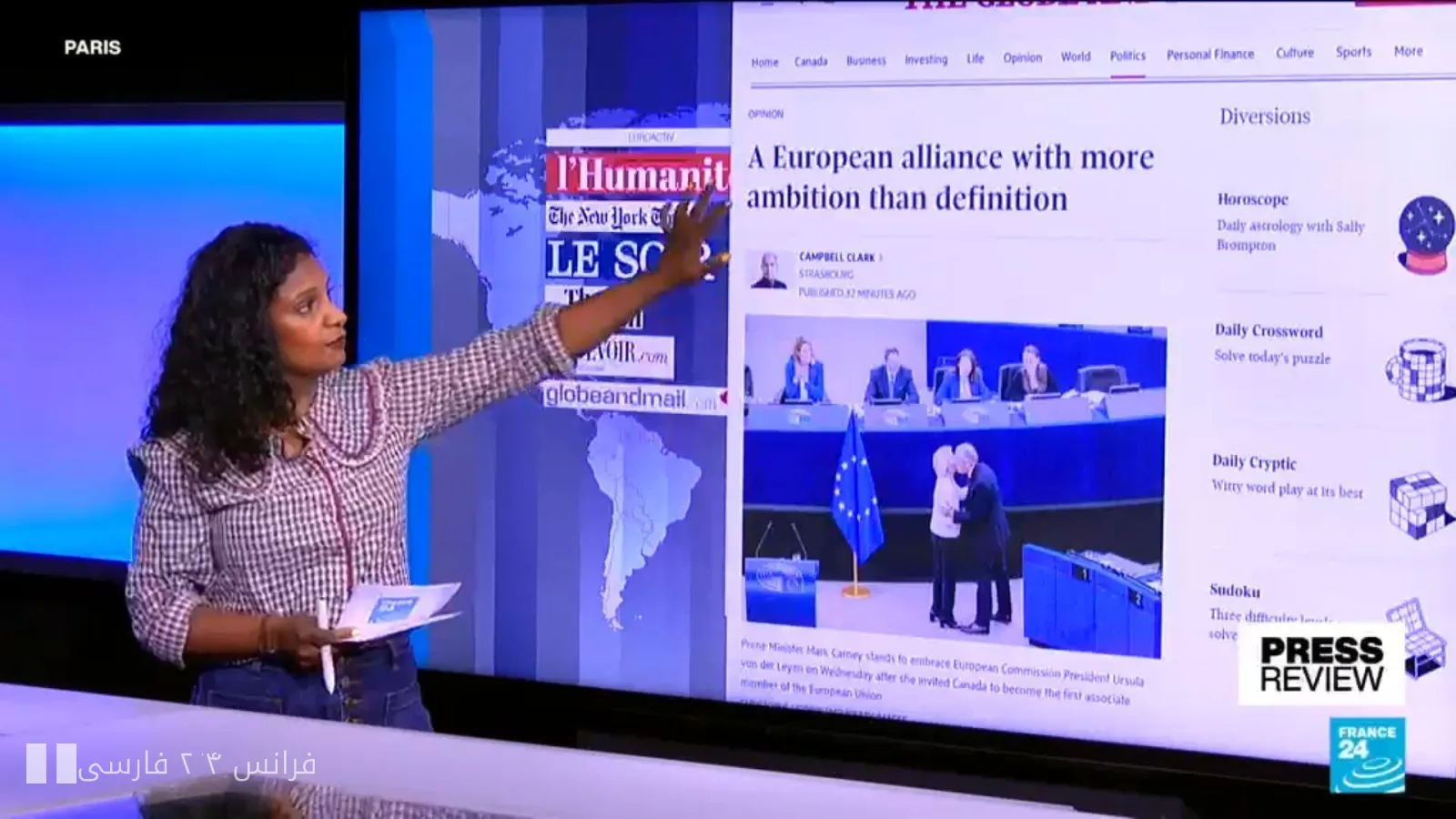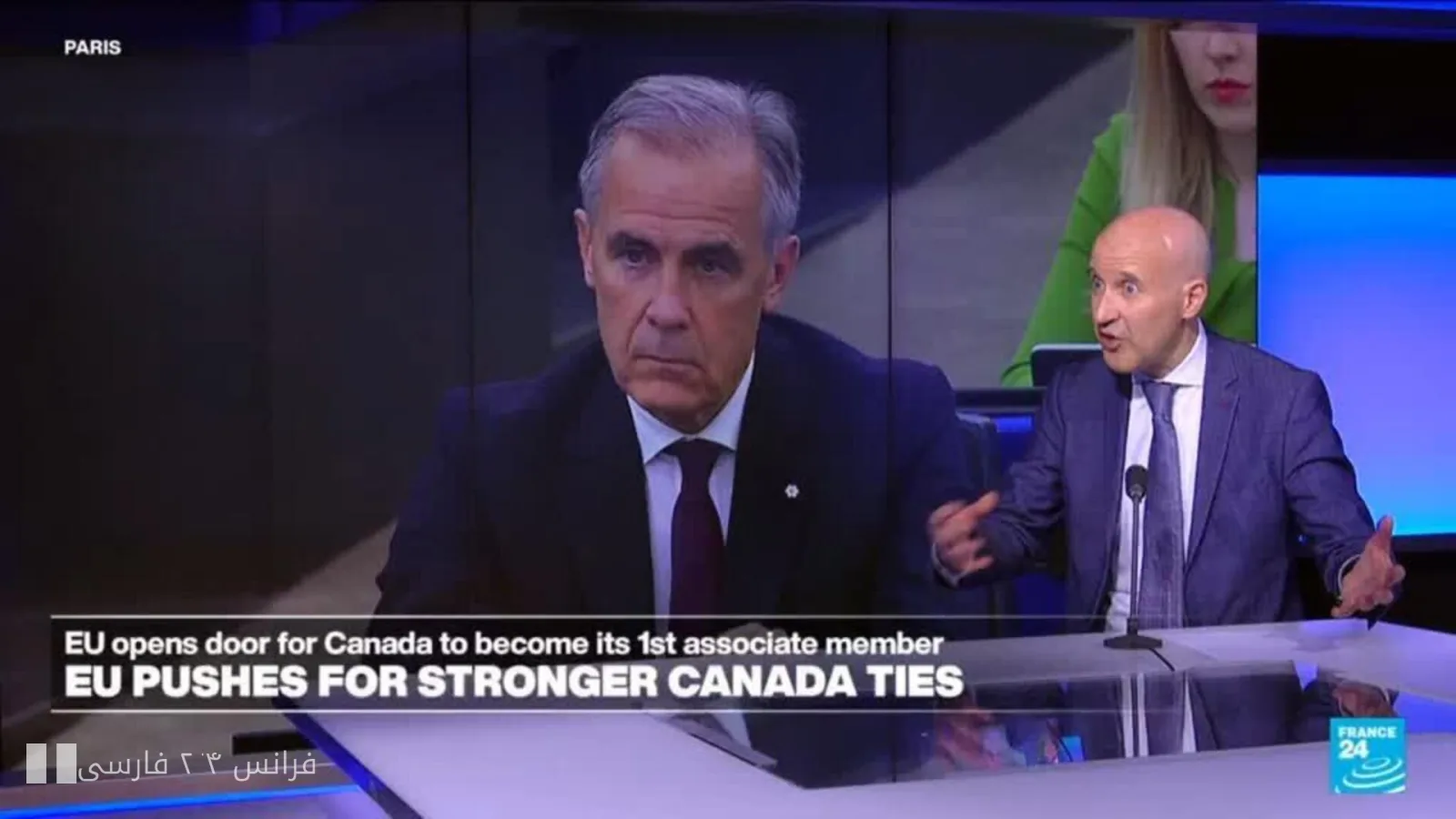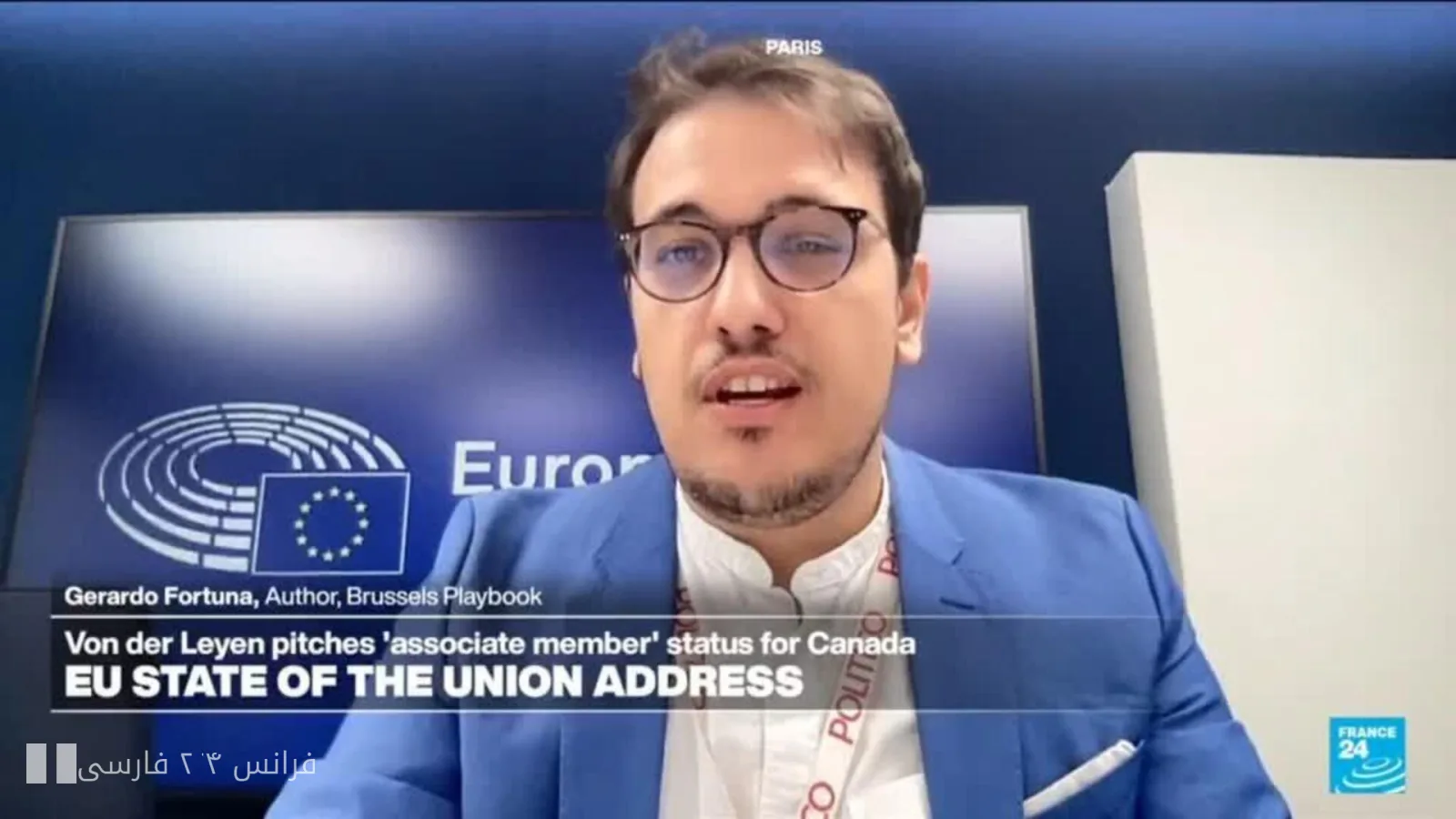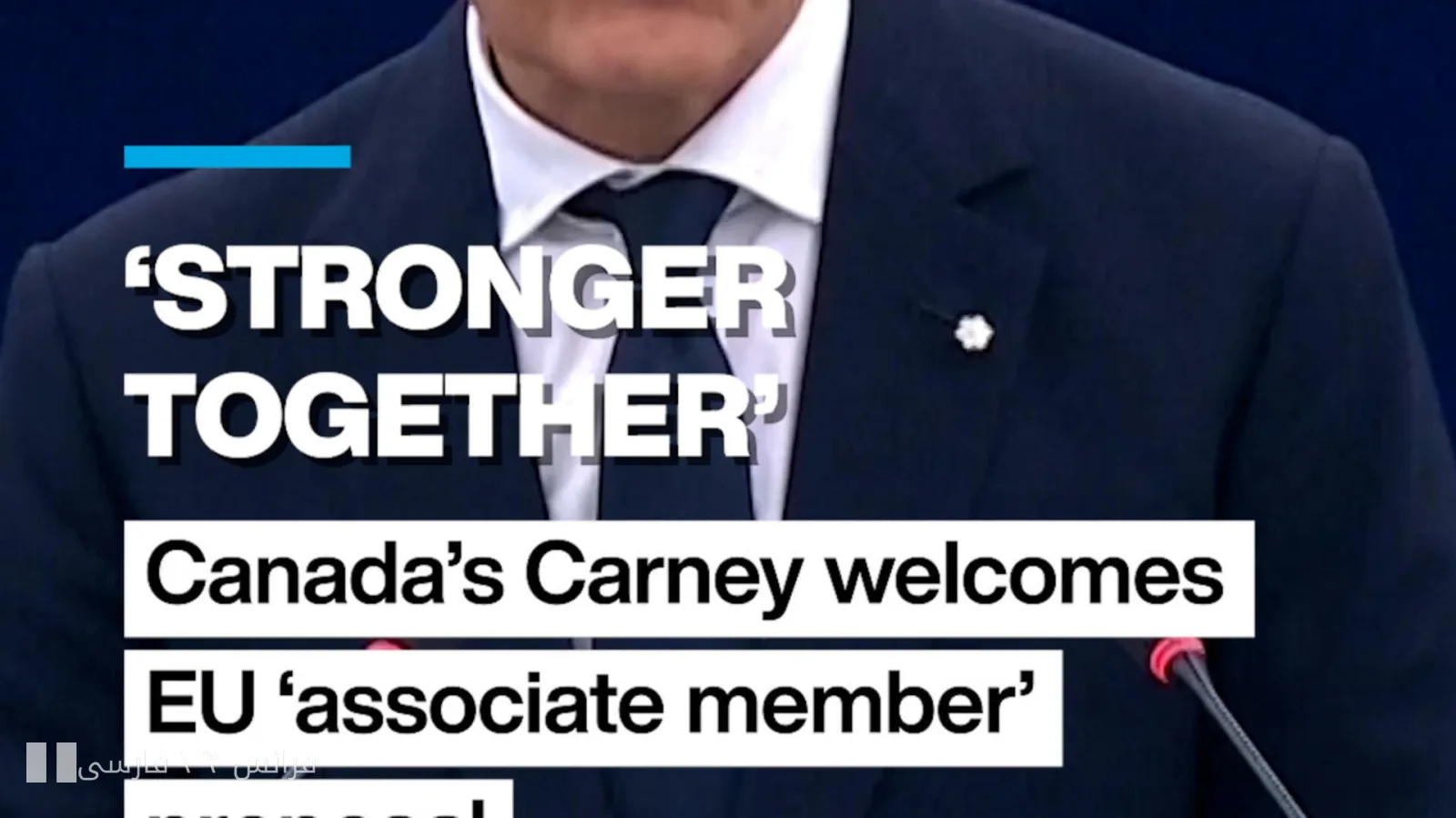
Mark Carney, Prime Minister of Canada, on Thursday welcomed the European Union's new proposal to make Canada the first "associate member" of this bloc during a meeting with European lawmakers in Strasbourg. This proposal has been specifically put forward to strengthen political and economic cooperation between Canada and Europe.
Strengthening Canada-Europe Relations
Carney stated in his speech: "Canada and Europe are both strong. But Europe and Canada will be stronger together." He emphasized that this cooperation could help strengthen the positions of both sides in international arenas. The Prime Minister of Canada particularly highlighted the importance of solidarity and collaboration in facing global challenges, including climate change and economic crises.
Economic and Political Implications of Associate Membership
The proposal for associate membership means that Canada could benefit from the economic and trade advantages of the European Union without fully joining this bloc. This type of membership could allow Canada to participate in European economic and political decision-making processes and facilitate access to EU markets.
This move could lead to improved trade relations between Canada and European countries and significantly reduce existing trade tensions. Additionally, this could be beneficial for both sides, especially in terms of joint investments and research projects.
On the other hand, this proposal could also lead to challenges and criticisms. Some analysts believe that such a membership might impose limitations on Canada and affect some of the country's domestic policies. This issue could be particularly discussed in areas such as the environment and human rights.
Overall, Mark Carney's welcome of this proposal reflects Canada's desire to strengthen its relations with Europe and engage more actively in global issues. This action could be seen as a positive step towards creating a stronger alliance between the two sides that would benefit member countries and the world.
Read more: Ursula von der Leyen Delivering the State of the European Union Speech · The European Union Introduced a Ban on Social Media for Children Under 13