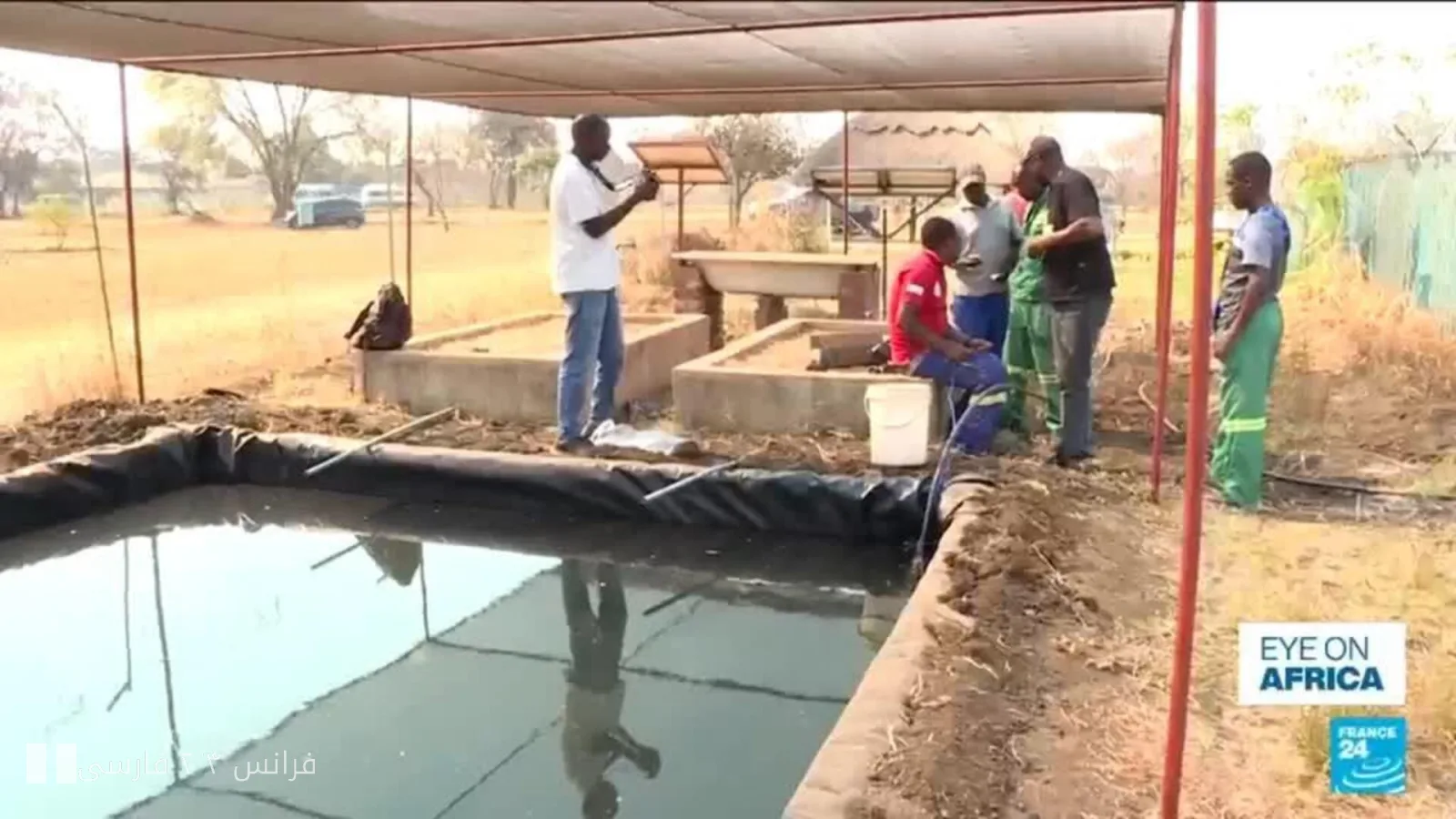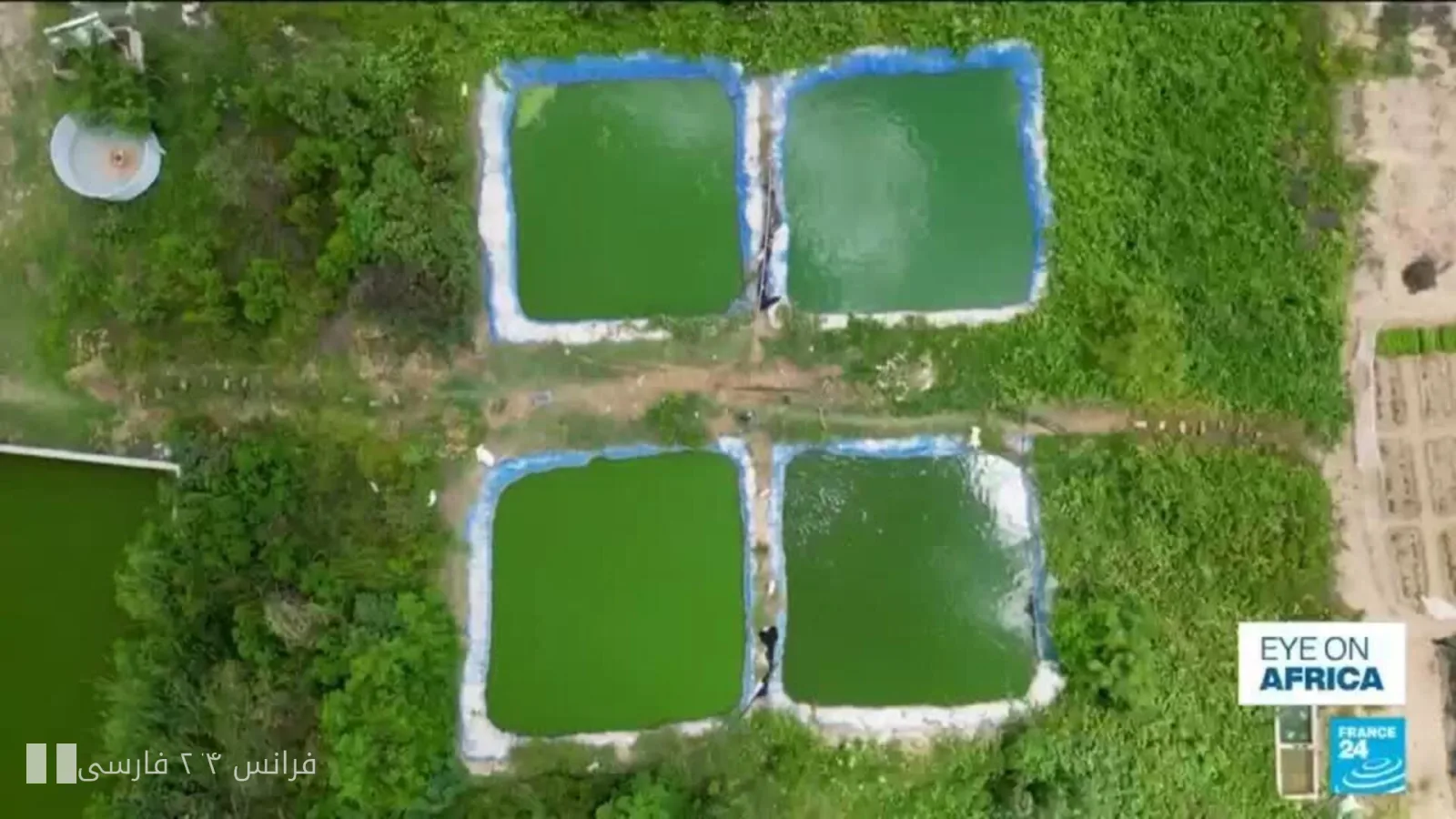
Farmers in northern Senegal have turned to combining fish farming and rice cultivation using an ancient technique. This method not only helps to fertilize the land but also leads to pest reduction and income diversification. As climate change and environmental pressures increase, this approach is considered a sustainable and smart solution.
Traditional and Modern Agricultural Techniques
Agriculture in Senegal has traditionally been influenced by various factors. However, farmers in the northern part of the country are seeking solutions to increase productivity and reduce agricultural risks. The combination of fish farming and rice cultivation, as a comprehensive solution, can help improve soil quality and increase product diversity.
This method allows farmers to use the nutrients found in fish farming waters to enrich the soil. This technique, known as "fish farming in rice," helps farmers reduce insects and pests, thereby lowering costs related to chemical pesticides.
Adapting to Environmental Pressures
In response to climate change and increasing environmental pressures, local communities have been seeking new methods for adaptation. Farmers in northern Senegal have found that this approach can help them not only preserve the environment but also increase their income. Given that the climate is heavily impacted by climate change, these farmers are looking for long-term and sustainable solutions.
This approach not only assists farmers but can also positively impact the local economy and food security. Since both rice cultivation and fish farming are key activities in meeting the food needs of local communities, this combination could serve as a successful model for other regions as well.
Ultimately, this method can be considered a sustainable model for farmers in other parts of the world. As many regions face similar challenges, this approach can help them better cope with environmental and economic challenges.
Read more: Destruction of Fertile Lands in Sudan: Gold and Public Health Crisis