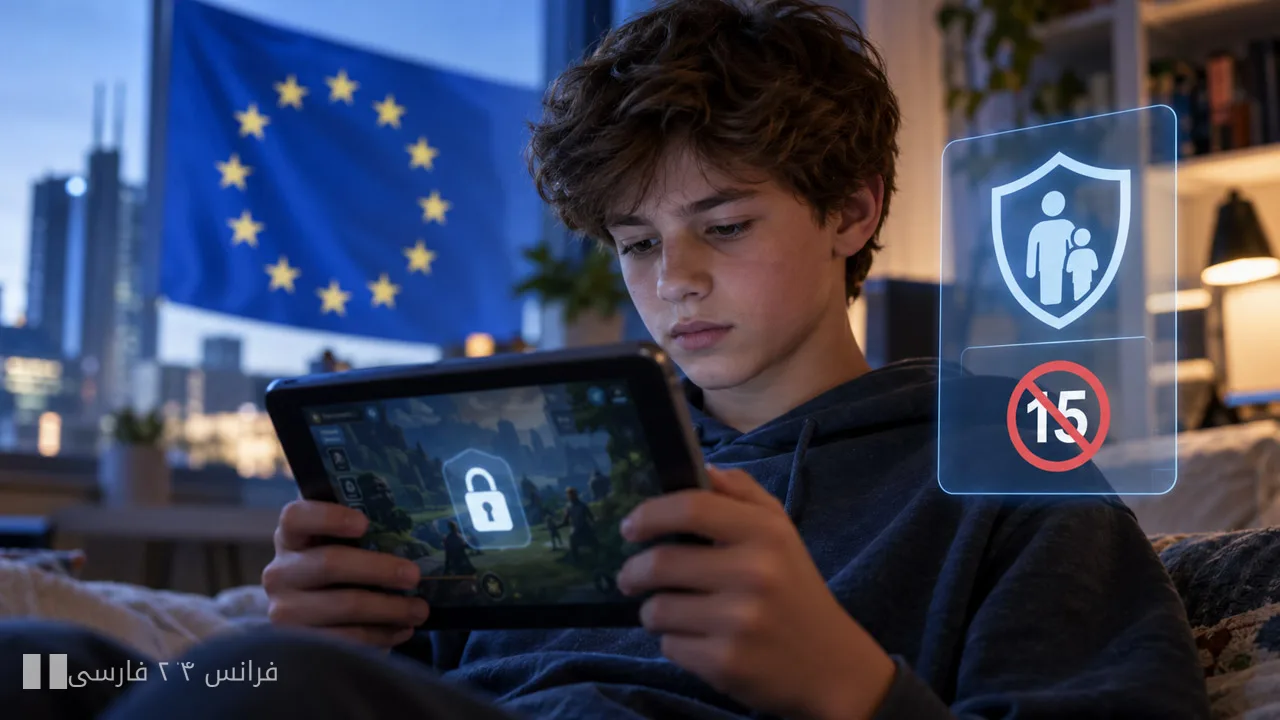
The European Union will limit access for children under 15 to online games and other high-risk platforms with the adoption of the new EU KIDS Act. This action follows growing concerns about the negative impacts of social media on the mental health of children and adolescents.
Introduction of a New Child Protection Framework
According to preliminary documents of the proposal, the European Commission will introduce a new framework for protecting children online on Thursday. This proposal includes new age restrictions for using social media and requires technology companies to design their products according to special safety standards for children.
Read more: Greg Stanton: The likelihood of human extinction due to artificial intelligence is over 10%
Multi-Level Access System to Social Media
The main goal of this proposal is to create a multi-level system for access to social media for individuals under 15. In this model, the level of independence for users changes based on their age, and parents or guardians will play a significant role in creating and managing accounts for younger users. For children under 13, parents can create accounts that are fully controlled by them. Additionally, for users aged 13 to 15, preliminary accounts with restrictions regarding interactions with strangers and screen time are planned.
Requirement to Use Age Verification Technologies
One of the key sections of this proposal is the requirement for social media and video platforms to use age verification technologies. Companies must be able to verify users' ages to determine the appropriate account type and access level for each age group. The European Commission has also considered educational programs for children, parents, and guardians.
This proposal aims to create a regulatory framework similar to the Digital Services Act and the Artificial Intelligence Act of the European Union. Oversight of high-risk companies and services will be centralized at the European Commission level, while national authorities will be responsible for overseeing smaller companies. Companies will also have to bear the regulatory costs associated with implementing this framework.
The final text of this proposal is not yet definitive and may change before its official presentation. After its unveiling, the governments of EU member states and members of the European Parliament will need to negotiate its details.
Read more: A Dark Future: A 10% Risk of Human Extinction Due to Artificial Intelligence · Will Your Summer Be Challenged at the Borders of the European Union?