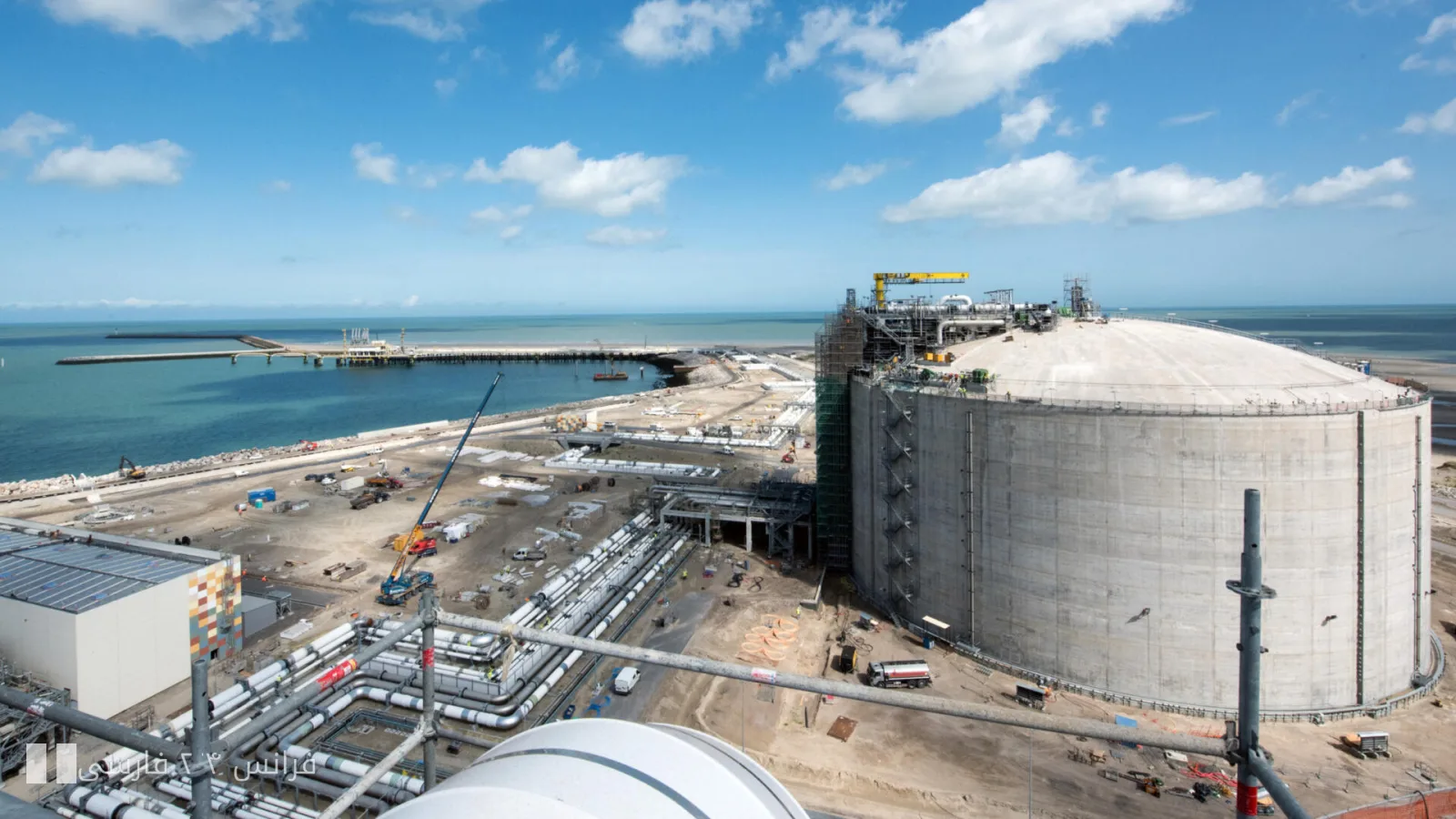
The 24-hour strike by workers in the energy sector of France has resulted in a reduction of capacity at the Dunkirk gas terminal and has impacted the country's electricity supply. This strike is held in protest against the government's efforts to limit employee benefits, including access to cheap electricity.
Reasons for the Strike and Its Impact on Energy Supply
Labor unions in France have stated that this strike could lead to a reduction in the country's electricity supply by up to 5 gigawatts. This significant decrease in energy supply could have serious repercussions for industries and consumers across the country. Workers in this sector believe that the government's efforts to reduce employee benefits, particularly access to low energy prices, pose a threat to their living and working conditions.
Government Response and Future Negotiations
The French government has responded to these strikes, stating that it is seeking solutions to maintain energy supply while also addressing workers' demands. However, tensions between the government and labor unions appear to be escalating, likely fueling future negotiations regarding working conditions and employee benefits.
This strike occurs at a time when France is looking to improve its energy supply and reduce dependence on foreign resources. The Dunkirk gas terminal is considered a key point in France's energy supply network, and any disruption in its operation could impact prices and access to energy at the national level.
Read more: Aliko Dangote Launches Initial Public Offering for Africa's Largest Oil Refinery · Signing of Several Memoranda of Understanding Between Iraq and France with the Presence of Ali Al-Zaydi and Emmanuel Macron