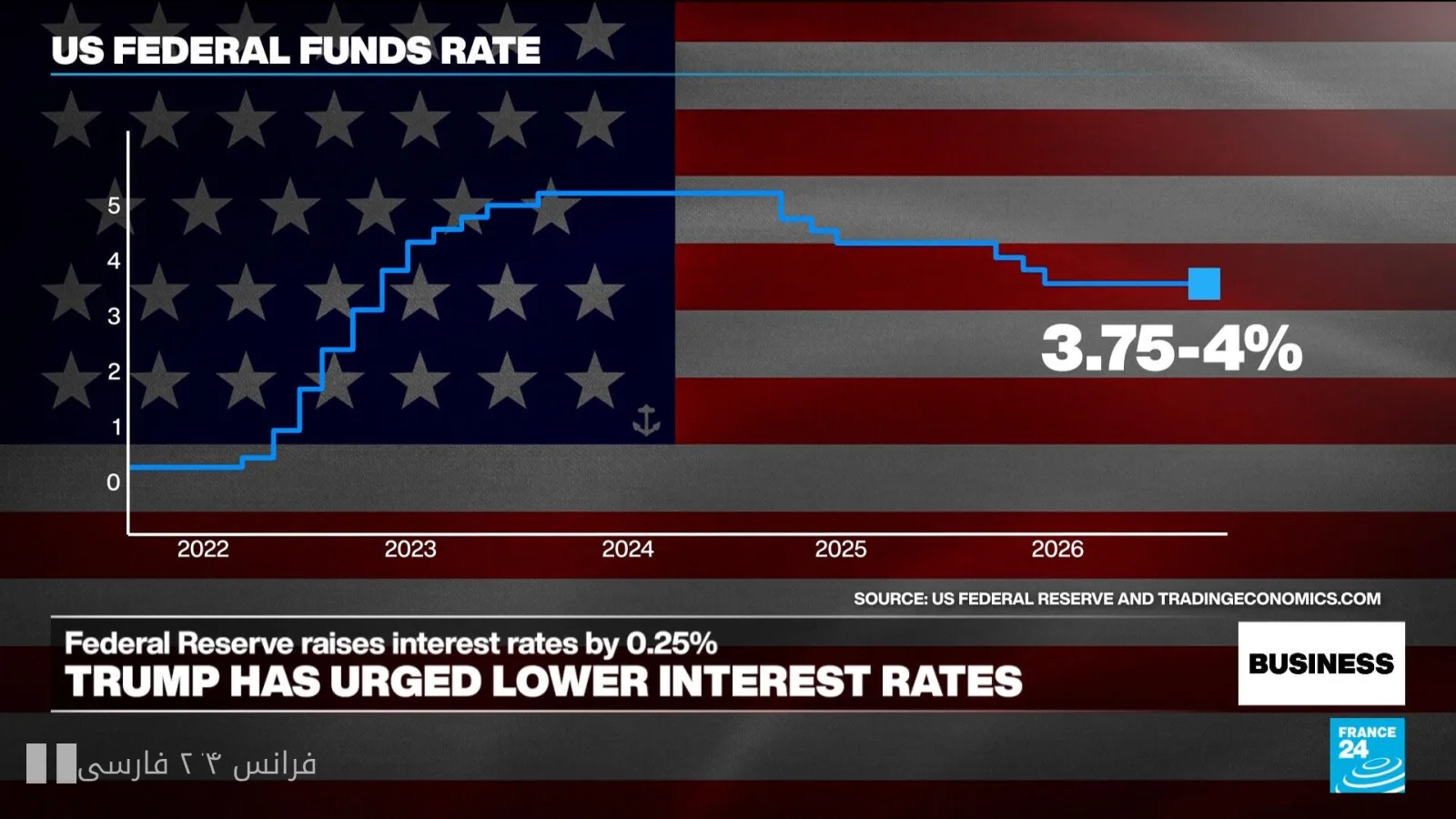
The Federal Reserve of the United States made a significant move by raising interest rates, marking the first time since 2023. This decision was made due to persistent inflation and economic pressures, and in response, Donald Trump, the former President of the United States, strongly protested this action and called for a reduction in borrowing costs.
Details of the Interest Rate Increase
In the recent Federal Reserve meeting, the interest rate was raised from 4.5% to 4.75%. This decision is part of the central bank's efforts to control inflation, which has reached its highest level in two decades. Federal Reserve officials believe that increasing interest rates can help reduce demand and consequently control prices.
Read more: Hormuz Diplomacy, Oil Price Drop, and Saudi Confusion Against Iran
Political and Economic Reactions
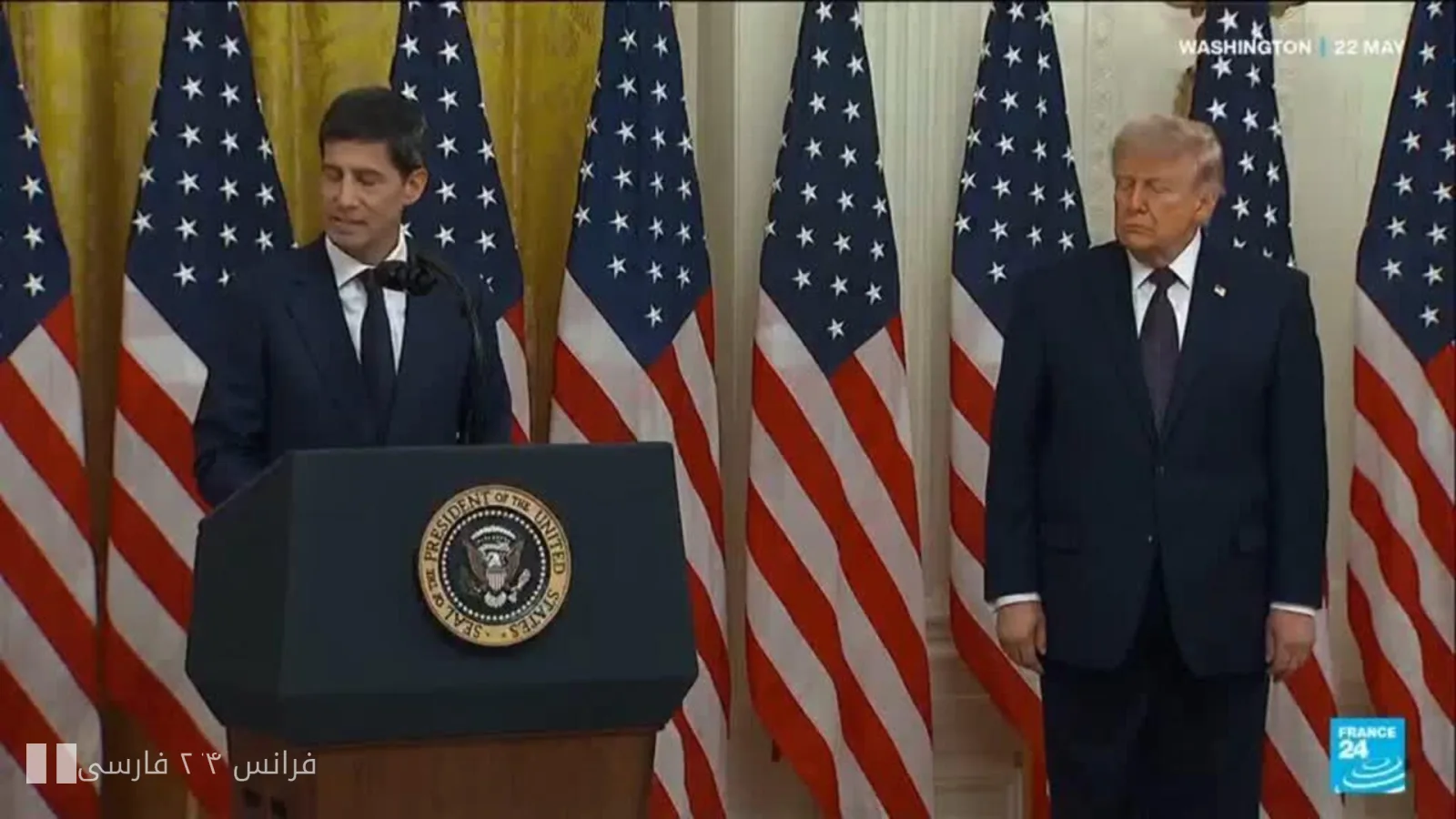
Donald Trump reacted to this decision, urging the Federal Reserve to lower interest rates instead of increasing them to maintain economic growth. He tweeted: "This interest rate hike will only be a blow to the economy, and I ask the Federal Reserve to reduce borrowing costs instead." Trump is clearly concerned about the economic consequences of the interest rate increase and believes this action could lead to an economic recession.
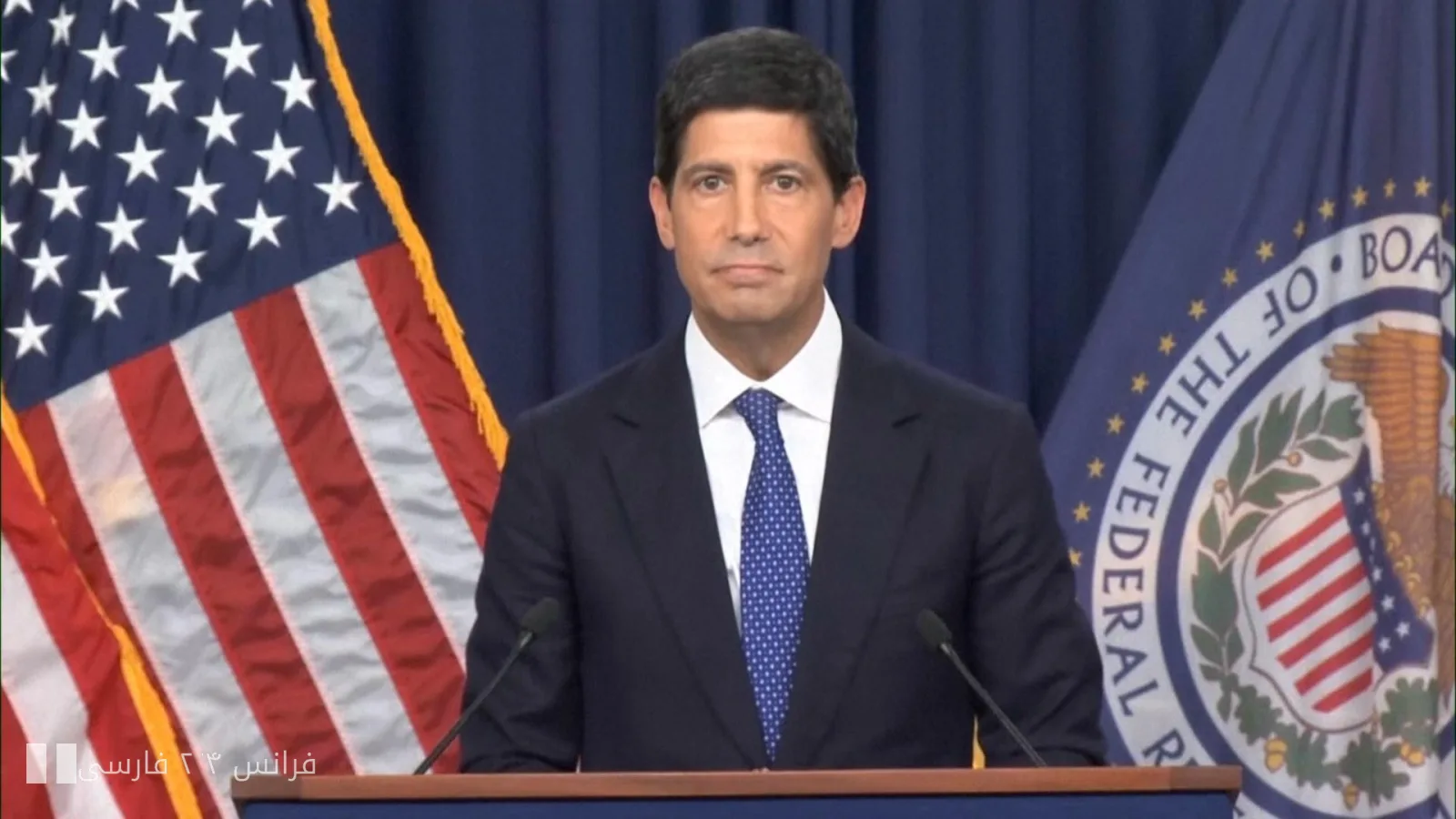
On the other hand, Kevin Warsh, the Federal Reserve Chair, responded to Trump's criticisms by emphasizing the independence of the central bank, stating: "The Federal Reserve is obligated to control inflation, and this will be our priority." He also noted that no pressure from the government or specific individuals should influence the central bank's economic decisions.
Consequences of the Federal Reserve's Decision
The interest rate increase may have profound effects on financial markets and the U.S. economy. This decision could lead to higher borrowing costs for consumers and businesses, which in turn may reduce demand for purchases and investments. While the goal of this increase is to control inflation, some analysts are concerned that this action may lead to an economic recession.
Ultimately, this decision by the Federal Reserve and the political reactions to it once again highlight the existing tensions between economic policies and political interests in the United States. While the Federal Reserve emphasizes controlling inflation, Trump's opinions may influence public sentiment and future economic decisions.
Read more: Oil Prices Rise Above $100, Stock Markets Face Crisis · Houthis on the Verge of Controlling Bab al-Mandab; Oil Price Reached $106