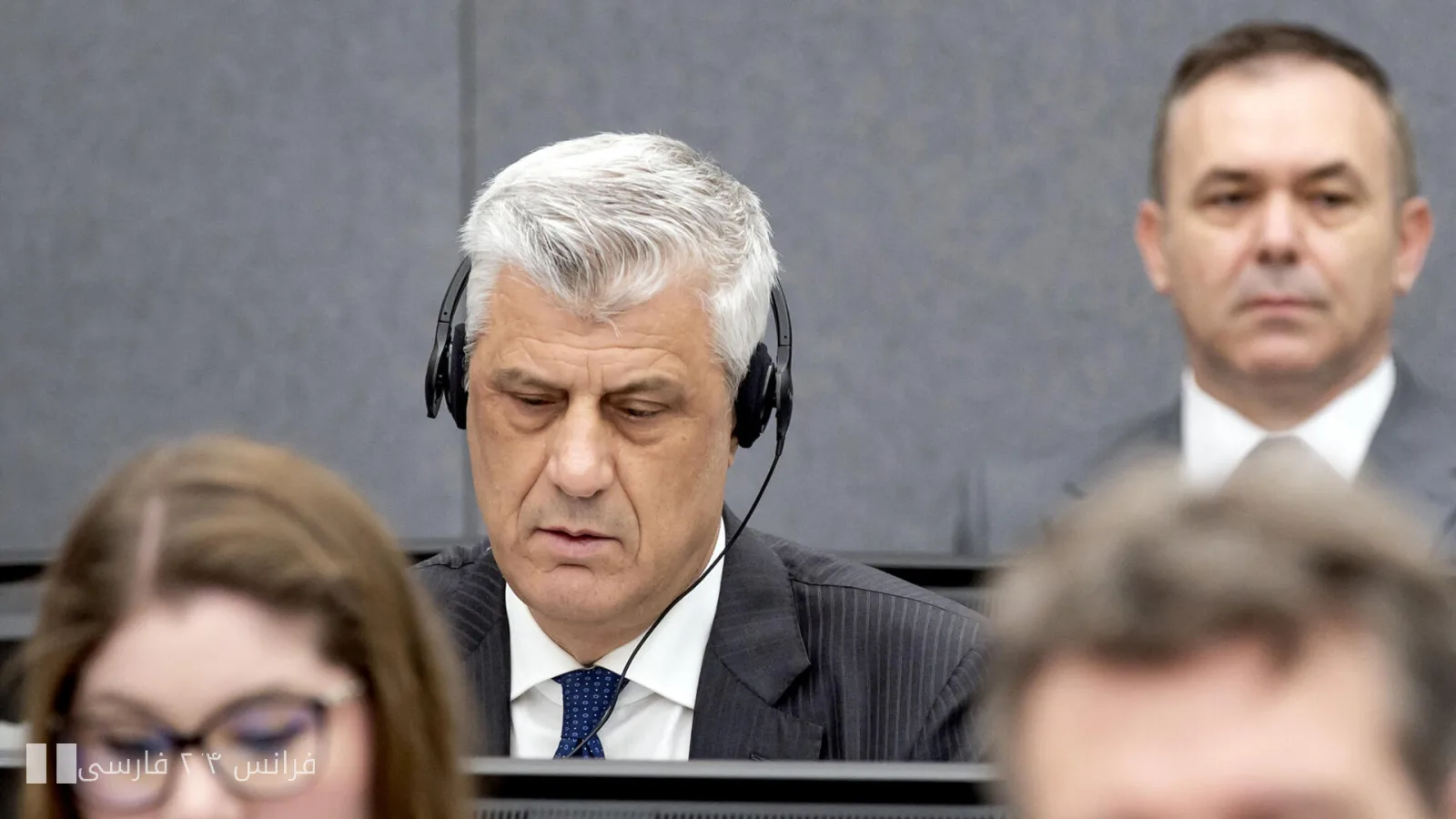
Hashim Thaci, former President of Kosovo, was sentenced to 25 years in prison on Wednesday by a court in The Hague for committing war crimes. This sentence was issued due to his role in committing crimes including murder, torture, and illegal detentions during the Kosovo war.
Trial and War Crime Allegations
Thaci is recognized as one of the key leaders of the Kosovo Liberation Army (KLA) during the war in the 1990s. This war, which took place between 1998 and 1999, led to Kosovo's separation from Serbia and its declaration of independence. The charges brought against Thaci and other KLA officials include human rights violations, murder, and torture of war prisoners.
Read more: New French ambassador to the United States appointed after diplomatic tensions
Thaci and his colleagues faced serious allegations in this legal process, leading to the establishment of a special court to investigate these crimes. The court in The Hague, which is dedicated to examining war crimes in the region, has spent several years collecting evidence and testimonies.
Consequences of the Court's Ruling
The court's ruling against Thaci clearly demonstrates the international community's will to confront war crimes and human rights violations. This ruling is seen not only as a message of accountability for Thaci but also for other former KLA officials, indicating that there is no immunity from punishment. This could have a profound impact on the peace and reconciliation process in Kosovo and the Balkan region.
While Thaci has appealed this ruling, it is considered a milestone in the history of Kosovo and the Balkans. Many experts believe that this ruling could strengthen the process of justice and accountability in war-affected areas and show international institutions that war crimes cannot go unpunished.
Read more: Donald Trump's claim about energy ceasefire in doubt after attack on a fuel station in Kyiv · International Criminal Court Prosecutor: International justice will not be erased by U.S. sanctions