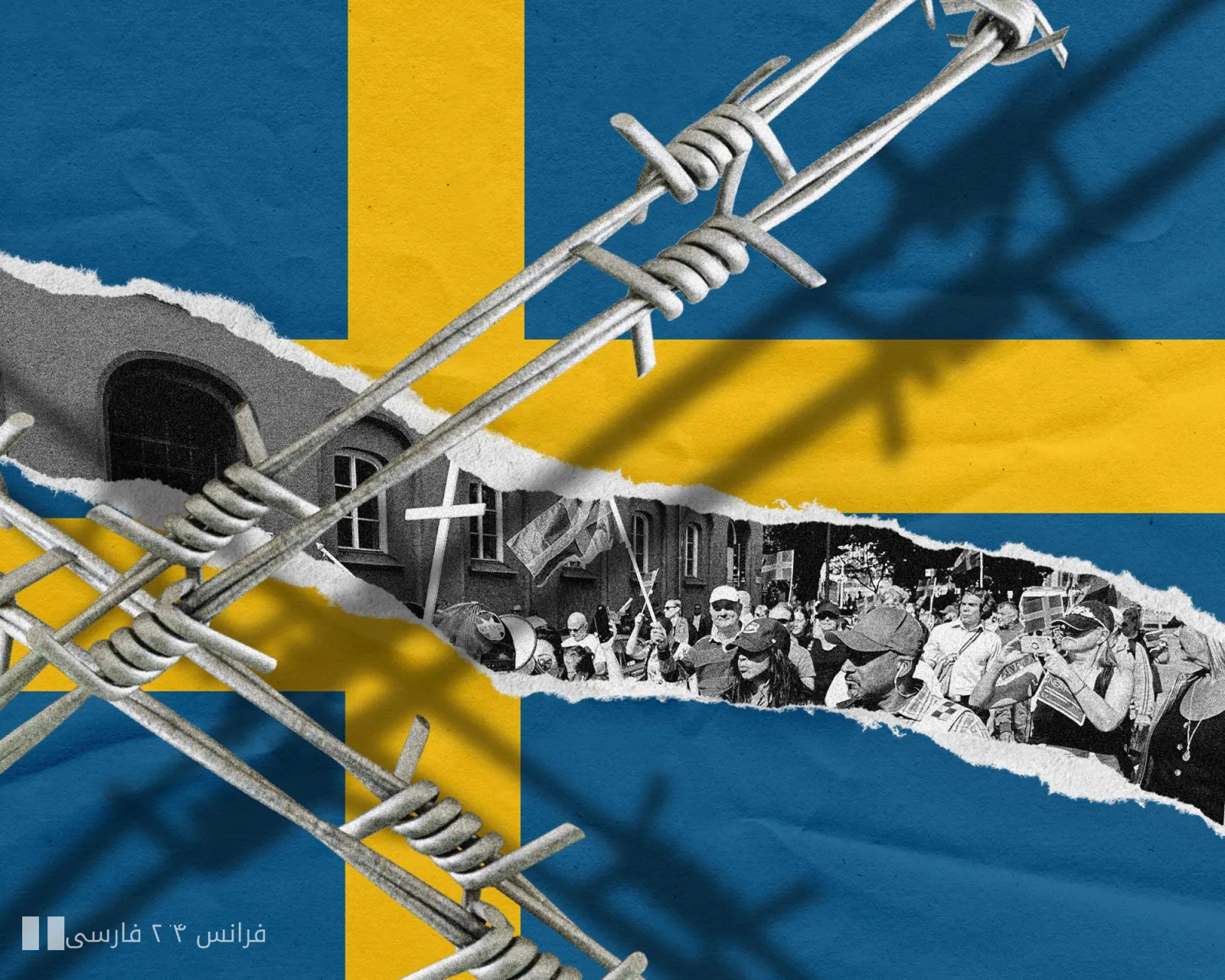
In 2022, Sweden entered a new and cold era of ruthlessness. The story of Aminol, a newborn born in Sweden, is a symbol of this bitter change. Before he could celebrate his first birthday, his parents were faced with a shocking news from the immigration office: Aminol, as an innocent child, must return alone to Iran, while his country is embroiled in war.
A childhood caught in the web of new laws
Aminol's parents were legally residing in Sweden and had residence permits. However, after the birth of this newborn, immigration laws became significantly stricter, and Aminol's family became trapped in a complex web of bureaucratic obstacles. These obstacles clearly reflect the government's effort to limit immigration to Sweden, a government that was once known as a symbol of tolerance and acceptance.
The new policies have, in fact, posed a moral and humanitarian challenge to Sweden. Has this country, once recognized as a sanctuary for the needy, now turned into a prison for migrants? This change vividly illustrates an identity crisis that Swedish society is facing.
A warning bell for the future
The story of Aminol is just one of thousands of similar stories that occur under the shadow of new laws and stringent approaches to immigration in Sweden. This story relates not only to the fate of one family but also to the future of the country. Can Sweden return to its humanitarian and tolerant values? Or is it on a path that will forever lose its soul?
These difficult questions resonate deeply within Swedish society and challenge public opinion. In today's world, where humanitarian crises are on the rise globally, Sweden needs to return to its humanitarian roots and show that it can still act as a refuge for the needy.