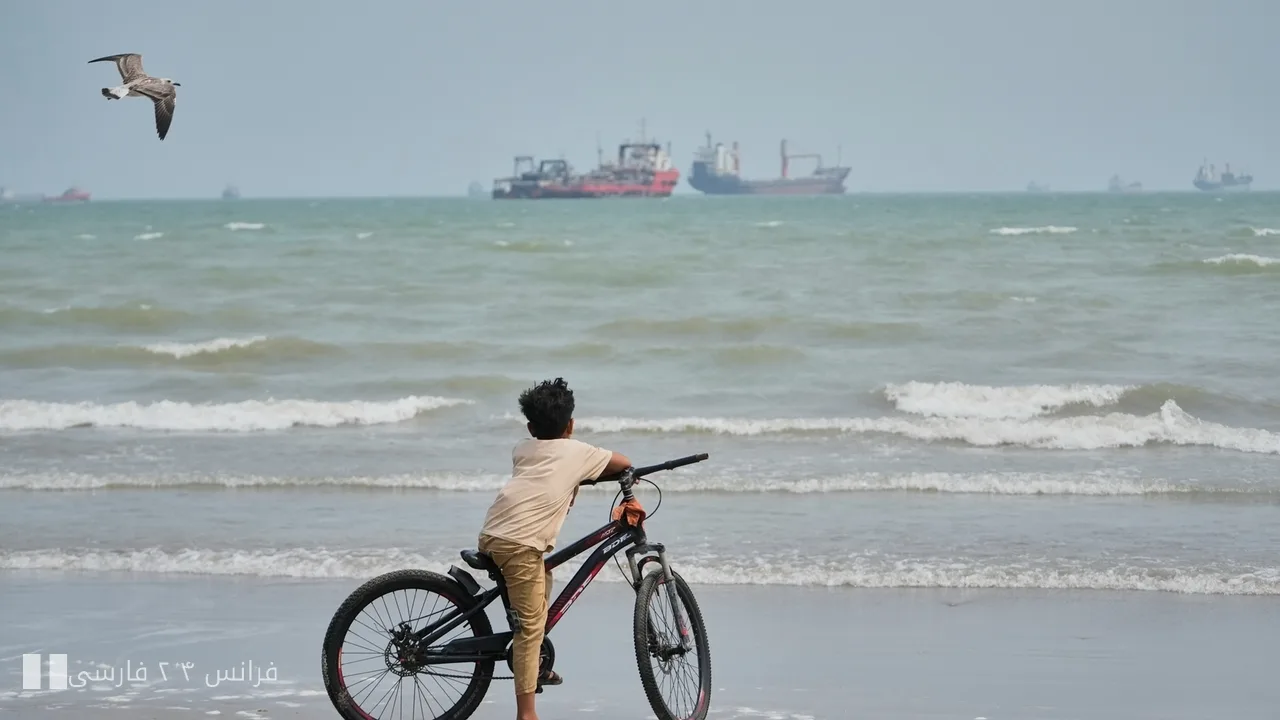
The Strait of Hormuz, one of the most strategic points in the world for oil trade, has currently become a scene of serious tensions. The United States has managed to reduce Iran's control over this strait through military and diplomatic strategies. This action has not only helped increase security in the waters of the Persian Gulf but has also significantly reduced Iran's oil exports.
Economic and Political Impacts
The reduction of Iran's oil exports, caused by new sanctions and international pressures, has had serious economic repercussions for the country. These pressures have harmed domestic producers and workers in the oil industry, leading to social discontent. On the other hand, the United States, by strengthening its military presence in the region, seeks to assure other countries that it will ensure maritime security in the Persian Gulf.
The First Step Towards a Long War
Despite the successes of the United States in limiting Iran, it seems that this costly and tense war will continue. Iran is constantly seeking ways to circumvent sanctions and regain its influence in the Strait of Hormuz. At the same time, international tensions and regional rivalries could lead to the emergence of new crises.
In the end, this situation reflects the complexities of global politics and the challenges that governments will face in the future. Although the United States has succeeded in reducing Iran's influence, the real war is still not over, and the future of this region remains uncertain and challenging.