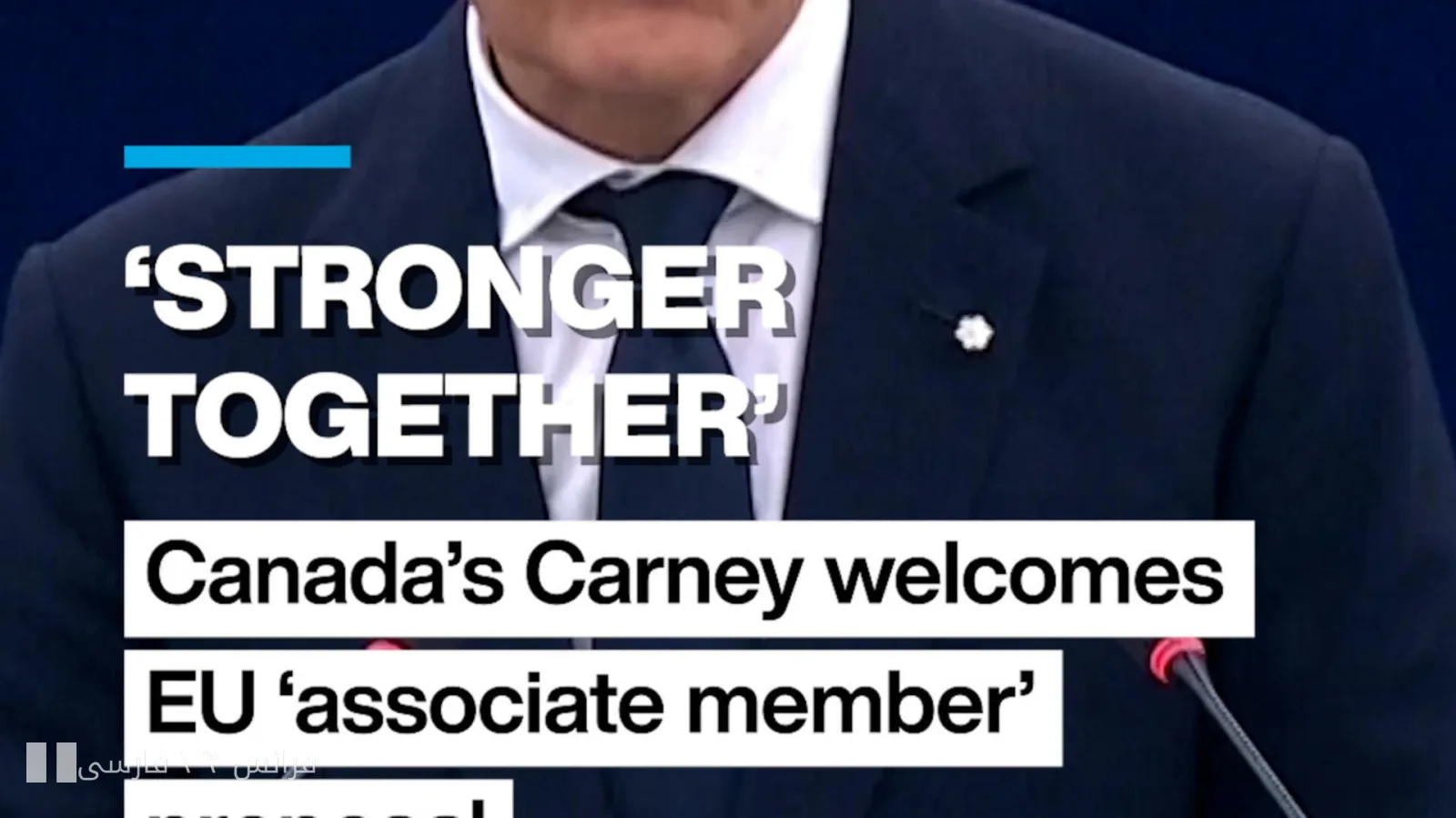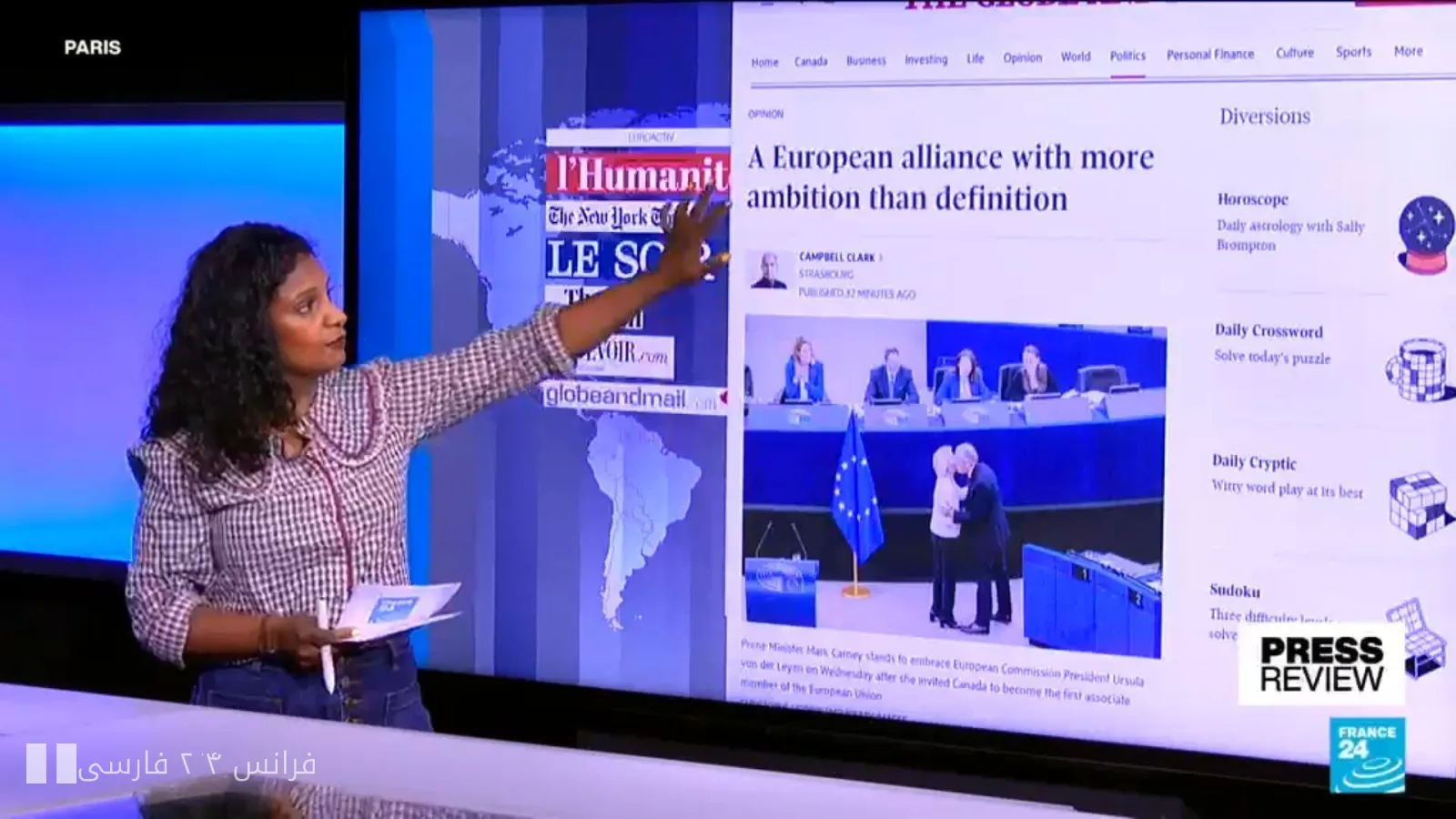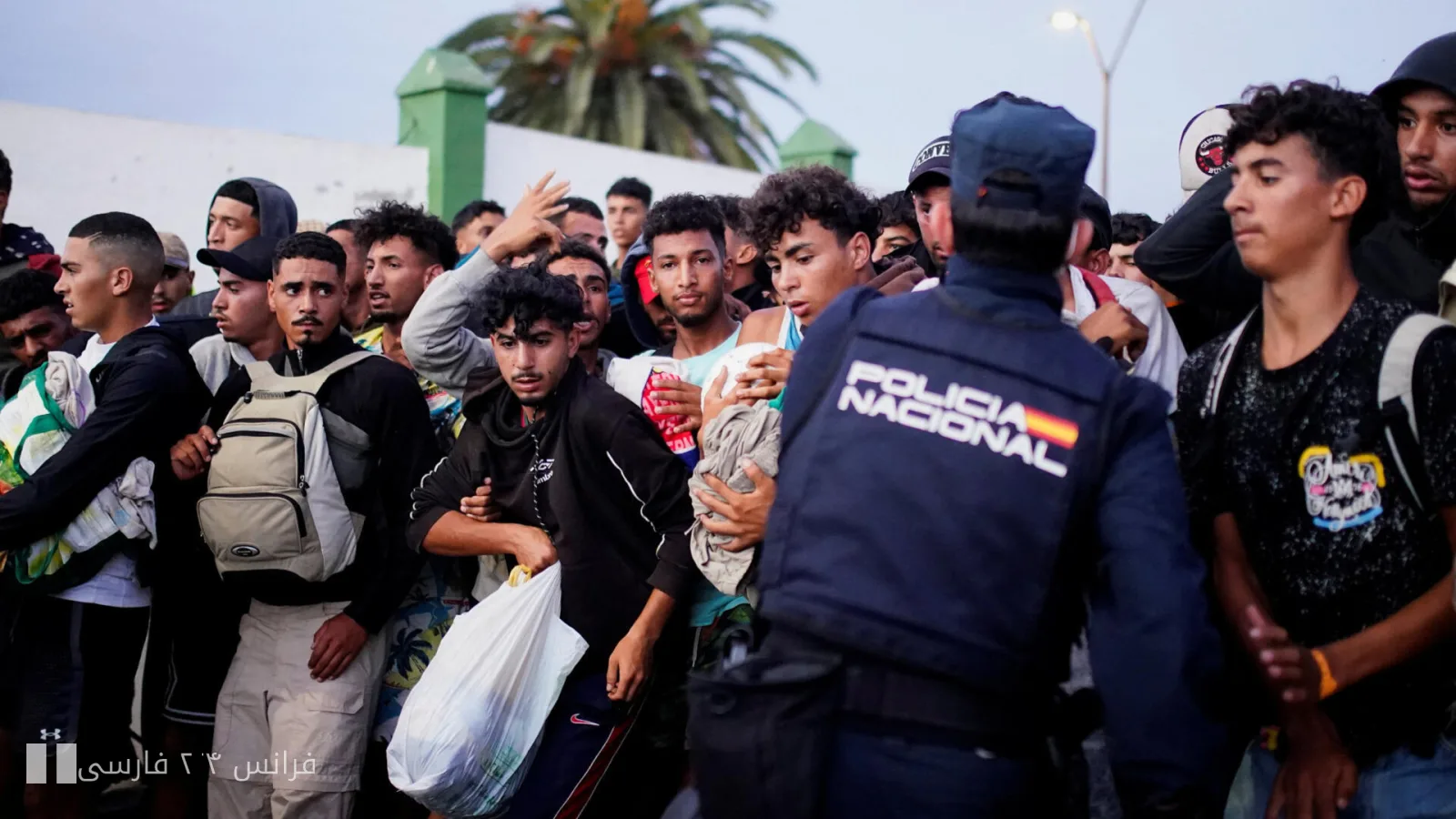
The European Union, particularly in the current situation where it faces complex challenges, is looking for new solutions to address the migration crisis. In her speech on Wednesday regarding the state of the EU, Ursula von der Leyen, President of the European Commission, emphasized the need to strengthen borders and proposed suggestions for improving migration management. These measures have gained more significance following the recent incident in Ceuta, where tens of thousands of migrants, primarily from Morocco, surged into the area within two days.
Analysis of Europe's Border Situation
The recent attacks on Ceuta are not only seen as a test of Europe's border capabilities but also reflect deeper dissatisfaction and concerns among European citizens. Given that the United States is also exerting pressure on Europe, including threats to raise tariffs, and Russia is testing the continent's resolve in the face of the Ukraine crisis, the question arises whether Europe will be able to manage its internal crises.
With global warming and phenomena resulting from climate change, new risks have emerged for European countries. In this context, citizens feel that the greatest threats come from migration. For this reason, the European Commission is working to create new tools for managing these crises, focusing particularly on border security.
Challenges Ahead and Their Consequences
In this regard, one of the main challenges facing the European Union is the lack of agreement among member states on migration management and the distribution of refugees. Different countries view this issue from various perspectives, and this lack of coordination can exacerbate the crisis. Furthermore, increasing pressures on Europe's borders could lead to social and political tensions within member states.
As many European countries seek to implement stricter immigration policies, there is a possibility that such actions could intensify social and political discontent. In this context, the European Union must seek solutions to achieve a balance between border security and human rights. This significant challenge requires not only international cooperation but also a deeper understanding of the root causes of migration and effective strategies for managing it.
Read more: NATO Jets Shot Down a Drone in Lithuania · Criticism of Kylian Mbappé for Wearing a Ceuta Support T-Shirt